How should proctitis with small polyps be treated?
Aug 24, 2022
Source: Cainiu Health

Dr. Cheng Yicheng
Introduction
Proctitis with small polyps can be treated with aminosalicylates. When proctitis is accompanied by polyps, the polyps are generally considered— in most cases—to be caused by the proctitis itself; that is, they are classified as inflammatory rectal polyps. With regular and systematic treatment of the proctitis, some polyps may decrease in size or even resolve completely. Therefore, for proctitis associated with polyps, medical therapy is recommended as the first-line approach.
Proctitis is an inflammatory condition of the rectum caused by various factors, primarily manifesting as anal tenesmus, severe anxiety, hematochezia (rectal bleeding), diarrhea, or constipation. Given the complex etiology of proctitis, treatment strategies should be tailored according to the underlying cause and disease severity. So, how is proctitis with small polyps managed?
Management of Proctitis with Small Polyps
Proctitis accompanied by small polyps can often be treated with aminosalicylates. In most cases, such polyps are considered secondary to chronic proctitis—termed “inflammatory rectal polyps.” With regular, systematic medical treatment for proctitis, some polyps may shrink or even resolve spontaneously. Therefore, initial management of proctitis with associated polyps is typically pharmacological. However, if medical therapy proves ineffective, surgical intervention may be warranted—such as endoscopic polypectomy or polyp ligation. Post-procedural histopathological examination is essential, and regular follow-up surveillance is recommended.
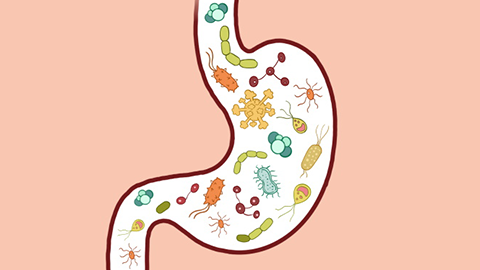
Maintain regular, portion-controlled meals centered on easily digestible foods; minimize or avoid fatty, spicy, and irritating foods. Excessive psychological stress may trigger intestinal wall inflammation and potentially exacerbate inflammatory bowel disease. To compensate for nutritional losses due to diarrhea, adopt a strategy of frequent, smaller meals to ensure adequate intake of vitamins and minerals.

In daily life, cultivate healthy lifestyle and dietary habits. We hope this information is helpful to you.