Can radiation proctitis heal spontaneously?
Aug 24, 2022
Source: Cainiu Health

Dr. Cheng Yicheng
Introduction
Radiation proctitis can sometimes resolve spontaneously; however, if the condition worsens, it may become refractory—not only failing to heal but potentially progressing further—so taking such a risk is strongly discouraged. Numerous clinical studies indicate that patients who have undergone abdominal surgery face an increased risk of developing chronic radiation proctitis. This is because post-abdominal-surgery adhesions readily occur in the intestines, leading to fixation of certain bowel segments, which consequently receive excessive radiation exposure.
There are many types of proctitis, one of which is radiation proctitis. This condition commonly occurs as a relatively frequent complication during radiotherapy for cancer patients—particularly in cervical cancer patients undergoing external beam radiation therapy.
Can radiation proctitis resolve spontaneously?
Radiation proctitis may resolve spontaneously in mild cases; however, if the condition worsens, not only will spontaneous recovery become unlikely, but the disease may also progress further—making it unwise to rely solely on natural resolution. Clinical evidence indicates that patients who have undergone abdominal surgery face an increased risk of developing chronic radiation proctitis. This is because postoperative intestinal adhesions may fix portions of the bowel in place, thereby exposing them to excessive radiation doses. Moreover, radiation proctitis is a common complication following pelvic radiotherapy. Patients should promptly seek medical evaluation to determine the underlying cause and receive targeted treatment accordingly.
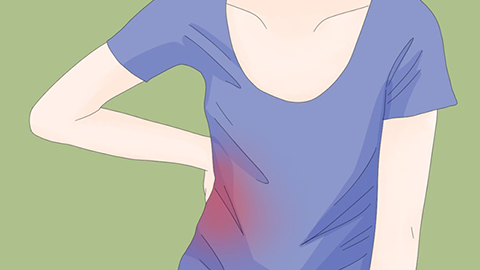
Treatment of radiation proctitis generally includes supportive (conservative) management, medical therapy, and surgical intervention when necessary. Initially, patients should prioritize rest, minimize physical activity, remain bedridden as much as possible, and avoid emotional stress. Secondly, dietary modifications are essential: consume light, easily digestible, low-fiber, low-irritant, and nutritionally balanced meals. Alcohol must be avoided, and patients should refrain from binge eating or consuming spicy, irritating foods. For patients presenting with intestinal obstruction or severe gastrointestinal bleeding, appropriate surgical interventions may be considered under physician guidance.

In daily life, patients should maintain a positive mental outlook and adhere strictly to prescribed medications—both in terms of dosage and timing—to facilitate timely clinical improvement. We hope this information proves helpful.