What should I do for anal itching after an anal fissure?
Aug 24, 2022
Source: Cainiu Health

Dr. Cheng Yicheng
Introduction
Anal pruritus can be managed through general measures, pharmacological treatment, and surgical intervention. For anal fissures and anal pruritus, increasing dietary fiber and water intake in daily life helps improve constipation and establish healthy bowel habits. For anal pruritus, topical application of lincomycin-lidocaine gel—under a physician’s guidance—may be used to alleviate pain.
Nowadays, office workers spend entire days sitting in front of computers, often remaining sedentary for prolonged periods without standing up or moving around. As a result, the buttocks experience extended pressure, which can easily lead to pruritus ani (anal itching). Many people consider anal itching a common, mild symptom and underestimate its significance. So, what should one do about anal itching?
How to Manage Anal Itching
Anal itching can be managed through general measures, pharmacological treatment, or surgical intervention. For conditions such as anal fissures accompanied by anal itching, increasing dietary fiber and fluid intake in daily life helps alleviate constipation and promotes healthy bowel habits. For symptomatic relief of anal itching, topical application of lincomycin-lidocaine gel—under medical supervision—may help reduce pain; additionally, topical agents that promote healing may be applied directly to the fissure. If pharmacological therapy proves ineffective, surgical options—including anal advancement flap procedure or lateral internal sphincterotomy—may be considered.
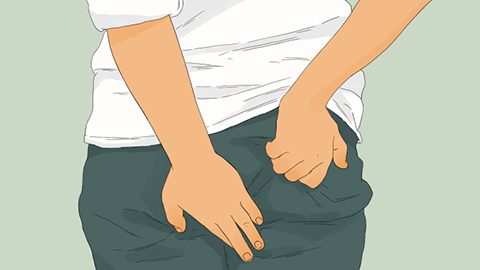
After treatment, maintaining cleanliness and hygiene of the perianal area is essential to prevent infection. Daily sitz baths using a dilute potassium permanganate solution are recommended for local cleansing. In terms of diet, avoid oily and spicy foods—such as fried chicken and pepper. Incorporating moderate aerobic exercise, such as running or swimming, is beneficial. Additionally, maintaining a positive mindset and avoiding excessive stress is important.

In daily life, cultivating sound lifestyle and dietary habits is crucial. We hope this information proves helpful to you.