


How is conjunctivitis (pink eye) transmitted?
Aug 24, 2022
Source: Cainiu Health

Dr. Chen You
Introduction
Conjunctivitis (pink eye) spreads easily through direct contact. Patients should, whenever possible, be isolated from family members. Since the patient’s ocular secretions contain large amounts of viruses and bacteria, transmission can occur via handshaking, sharing washbasins or towels/handkerchiefs, or washing hands or face with water contaminated by the patient. Therefore, avoid rubbing your eyes with unwashed hands. Towels, washbasins, and other items used by the patient should be used exclusively by the patient.
Most of the time, conjunctivitis (“pink eye”) is caused by infection. Primary transmission routes include contact with contaminated objects, direct contact with infected individuals, exposure to public places, and poor personal hygiene. Generally, these factors are responsible for causing conjunctivitis. So, how is conjunctivitis transmitted?
How is conjunctivitis transmitted?
Conjunctivitis spreads easily through direct contact. Patients should, whenever possible, be isolated from family members. Since patients’ ocular secretions contain large quantities of viruses and bacteria, transmission can occur via handshaking, sharing washbasins or towels/handkerchiefs, or washing hands or face with water contaminated by the patient. Therefore, avoid rubbing your eyes with unwashed hands. Towels, washbasins, and other items used by patients must be used exclusively by them. Recently, instruments, toys, and door handles in public venues—such as barbershops, kindergartens, and elementary schools—where “pink eye” patients have been present should be disinfected.

Conjunctivitis—also known as acute conjunctivitis—is highly contagious and spreads via contact with hands or contaminated water. Typically, a patient’s hands become contaminated, and residual bacteria remain on surfaces they touch. If others unknowingly touch these same surfaces and then rub their own eyes with their hands, infection may readily occur, leading to symptoms of conjunctivitis. Additionally, healthy individuals may become infected through contact with contaminated towels, washbasins, eye drops, handrails on public transportation, door handles, faucets, telephones, karaoke equipment, books, handshaking, dancing, hugging, or kissing an infected person.
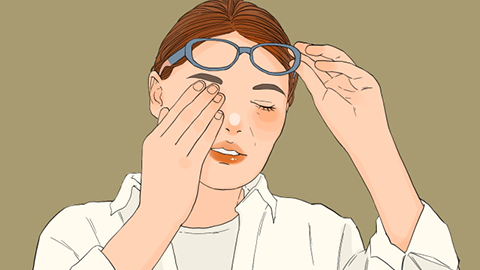
The best preventive measure for patients—and everyone—is frequent handwashing, avoiding contact with potentially contaminated water sources, and refraining from rubbing the eyes. We hope this information proves helpful.


