


What Causes Anal Spasms?
Aug 24, 2022
Source: Cainiu Health

Dr. Cheng Yicheng
Introduction
Anal spasm is typically caused by sustained contraction of the anal sphincter, most commonly due to an anal fissure. In deep fissures, the anal sphincter becomes exposed and may undergo spasm in response to mechanical irritation—such as friction from stool passage or from undergarments. Additionally, spasm of the puborectalis muscle may occur, often associated with local bacterial or viral infections following the onset of anal spasm.
Spasmodic anal pain is commonly associated with anal fissures. An anal fissure refers to a small ulcer that forms when the skin of the anal canal tears below the dentate line. Most fissures are longitudinal, typically occurring in the midline—either anteriorly or posteriorly—and measure approximately 1 cm in length. Classic symptoms include cyclical severe pain, hematochezia (bright red blood in stool), and constipation. Are these three symptoms interrelated? What, then, causes anal spasm?
What Causes Anal Spasm?
Anal spasm is typically caused by sustained contraction of the anal sphincter muscles, most commonly triggered by an anal fissure. When the fissure is deep, the underlying anal sphincter muscle becomes exposed. Friction from passing stool or from tight-fitting undergarments can then provoke spasm. Additionally, the puborectalis muscle may also spasm—often secondary to local bacterial or viral infection. Once anal spasm occurs, pharmacological treatment is necessary to alleviate symptoms. Concurrently, emotional management is crucial; patients should avoid excessive tension and anxiety. If standardized, systematic medical therapy fails to resolve the spasm, surgical intervention may be indicated—typically involving partial excision of the spastic muscle segment.
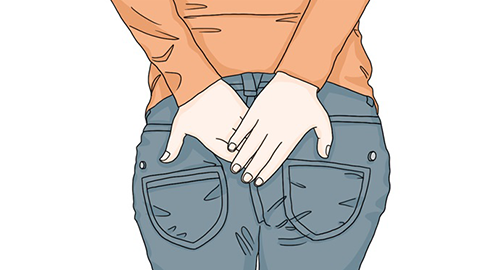
There are numerous potential causes of anal spasm. It may arise from inflammatory conditions such as anal sinusitis, anal papillitis, external hemorrhoids, or infected anal fistulas. It may also result from anal fissures or hemorrhoids, or from trauma—including anal-rectal injury, foreign body insertion, or anal laceration. Consumption of spicy or irritating foods can lead to constipation and dry stools, thereby triggering anal spasm. Moreover, prolonged psychological stress may disrupt autonomic nerve function in the anal region.
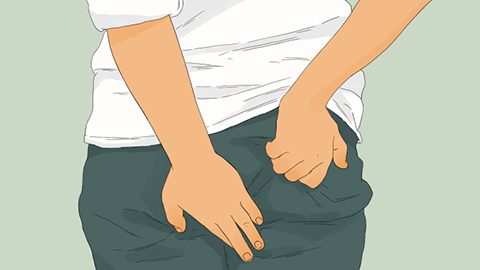
In daily life, maintain regular, balanced dietary habits—avoid spicy, irritating foods and overeating. Also avoid staying up late. We hope this information proves helpful.






