Early Symptoms of Anal Cancer
Aug 24, 2022
Source: Cainiu Health

Dr. Cheng Yicheng
Introduction
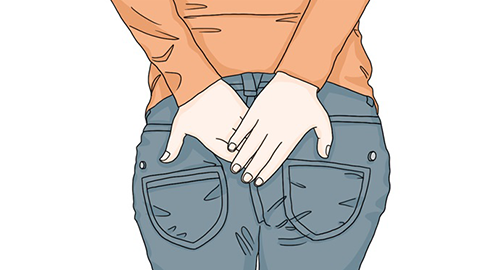
Early-stage anal cancer may present with symptoms such as moisture, pruritus (itching), and even pain around the anus. In its early phase, anal cancer may be associated with perianal lesions or inflammatory conditions. Consequently, moisture-induced inflammation may infiltrate the perianal area, leading to anal pruritus. Pain may occasionally occur, but its progression is typically slow; when significant pain becomes apparent, the disease is often already advanced.
Early detection and treatment of anal cancer can significantly extend life expectancy. Therefore, it is critically important to recognize the symptoms of anal cancer and seek timely medical intervention. Early signs may include a palpable mass, itching or pain, rectal bleeding, and anal dilation. So, what are the early symptoms of anal cancer?
Early Symptoms of Anal Cancer
In its early stages, anal cancer may cause moisture (dampness), itching, and even pain around the anus. Patients may develop perianal lesions or inflammatory conditions—such as perianal dermatitis or infection—leading to inflammatory infiltration triggered by local dampness, resulting in pruritus ani (anal itching). Pain may also occur, though its onset is typically gradual; however, when pain becomes pronounced, the disease is often already advanced. It is essential to consult a healthcare provider promptly for professional evaluation and early diagnosis. Delayed presentation—especially when the disease has progressed to an advanced stage—significantly compromises treatment efficacy.
Anal cancer can be managed with adjunctive pharmacotherapy. Following surgery and concurrent chemoradiotherapy, patients with anal canal cancer may benefit from supportive traditional Chinese medicine (TCM) formulations aimed at reinforcing vital Qi (e.g., Zheng Qi Fu Zheng Granules and Wu Wei Mei Su Capsules). Long-term use of these agents may enhance immune function and improve the patient’s resistance to disease. Equally important is maintaining a positive emotional state and adopting a proactive mindset toward anticancer therapy—avoiding withdrawal, despair, or hopelessness due to the diagnosis. Additionally, healthy lifestyle habits and appropriate physical activity contribute favorably to cancer prognosis.

Patients are advised to consume green vegetables and fruits rich in dietary fiber. They should also drink adequate amounts of warm water daily to prevent constipation and reduce stool hardness—both of which are beneficial in managing anal cancer. We hope this information proves helpful to you.