


What Are the Early Symptoms of Perianal Cancer?
Jan 26, 2022
Source: Cainiu Health

Dr. Qi Zhirong
Introduction
What are the early symptoms of perianal cancer?
Perianal cancer often arises from long-standing chronic injury, such as that caused by anal fistulas or surgical scars from hemorrhoidectomy. It is more common in male patients. Early signs include the development of a small nodule at the anal margin, accompanied by discomfort, pruritus (itching), and pain in the anal region. If left untreated for an extended period, the disease may progress to ulceration, with localized tenderness upon palpation.
Perianal cancer generally refers to cancer occurring in the area surrounding the anus. Patients commonly experience discomfort, itching, and pain in the anal region. So, what are the early symptoms of perianal cancer? Let’s explore them together.
What Are the Early Symptoms of Perianal Cancer?
Perianal cancer often arises from long-standing chronic injuries—such as those caused by anal fistulas or surgical scars from hemorrhoid procedures—and is more frequently observed in male patients. Early signs include the development of a small nodule at the anal margin, accompanied by anal discomfort, itching, and pain. If left untreated for an extended period, the disease may progress to ulceration, with localized tenderness upon palpation.
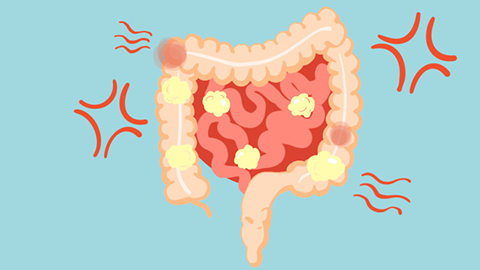
Some cases of anal cancer may not present with rectal bleeding in the early stage; however, patients may experience pronounced sensations of anal fullness or tenesmus (a persistent urge to defecate). This occurs because the tumor physically obstructs the anal canal, creating irritation that mimics the sensation of incomplete bowel evacuation.
Prompt medical consultation is essential. Diagnosis is typically confirmed through digital rectal examination and anoscopy. Once diagnosed, treatment is tailored accordingly. Surgical resection remains the primary treatment modality for perianal cancer—for example, wide local excision. Postoperative histopathological examination is mandatory to determine the tumor’s characteristics and guide adjuvant therapies, such as radiotherapy, chemotherapy, or targeted therapy.
Therefore, if you experience anal discomfort, itching, or pain, seek timely medical evaluation and treatment. In daily life, maintain a light, non-irritating diet and avoid highly spicy or stimulating foods—such as fiery noodles, spicy hotpot, or chili chicken.
We hope the above information is helpful to you.








