


Can people with proctitis eat white radish?
Aug 24, 2022
Source: Cainiu Health

Dr. Cheng Yicheng
Introduction
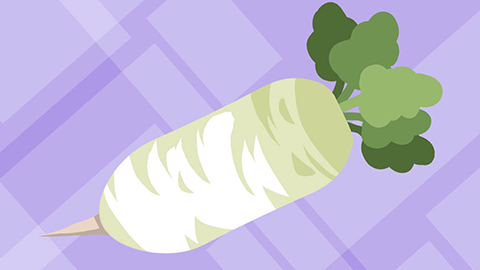
Patients with proctitis must avoid eating white radish. They should also avoid gas-producing foods, such as onions and raw garlic. White radish is a known gas-producing food; therefore, it is contraindicated in proctitis. Dietarily, patients are advised to consume liquid foods or low-residue, semi-liquid foods to minimize gastrointestinal irritation. All vegetables and fruits must be avoided.
Proctitis poses numerous health risks to patients once it develops. Therefore, timely and appropriate treatment and nursing care are essential to minimize its harmful effects. A rational diet also plays a crucial role.
Can patients with proctitis eat white radish?
Patients with proctitis should avoid eating white radish. They should steer clear of gas-producing foods such as onions and raw garlic. White radish is one such gas-producing food; thus, it is contraindicated for proctitis patients. In terms of dietary management, liquid or low-residue semi-liquid foods are recommended to reduce gastrointestinal irritation. Raw vegetables and fruits should be avoided entirely; however, they may be consumed in processed forms—such as vegetable broth, vegetable puree, fruit juice, or fruit puree. To alleviate the burden on the intestines, it is advisable to adopt a “smaller, more frequent meals” approach to ensure adequate nutrient intake. In cases of steatorrhea (fatty diarrhea), fat malabsorption is commonly present, and severe cases may involve overt steatorrhea. Consequently, low-fat foods and cooking methods are strongly recommended.
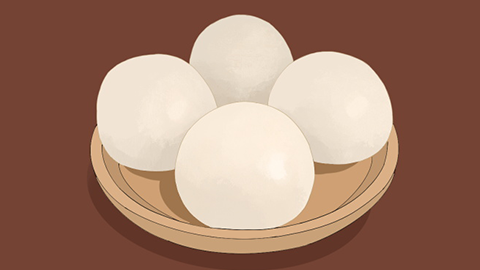
Patients with proctitis may consume easily digestible foods. During acute exacerbations, intestinal dysfunction and diminished digestive capacity necessitate a diet consisting solely of bland, low-fat options—such as rice porridge, rice water, noodles, or steamed buns. These foods are gentle on the digestive system, promote absorption, reduce intestinal burden, and do not irritate the bowel, thereby supporting recovery from proctitis. During treatment, spicy and irritating foods must be avoided, as well as smoked or cured foods, since these can irritate the intestinal mucosa and potentially worsen symptoms such as diarrhea and abdominal pain, impeding mucosal healing. In addition to dietary adjustments, patients should take antidiarrheal medications under their physician’s guidance.
When symptoms of proctitis appear, prompt medical consultation and treatment are vital to prevent progression to more serious complications. We hope this information proves helpful.


