


Can individuals with proctitis eat white radish?
Aug 24, 2022
Source: Cainiu Health

Dr. Cheng Yicheng
Introduction
Patients with proctitis must avoid eating white radish. They should also avoid gas-producing foods, such as onions and raw garlic. White radish is a known gas-producing food; therefore, it is contraindicated in proctitis. Dietarily, patients are advised to consume liquid foods or low-residue, semi-liquid foods to minimize gastrointestinal irritation. Vegetables and fruits must be strictly avoided.
Proctitis poses numerous health risks to affected individuals. It is essential to adopt timely, appropriate treatment and nursing measures to minimize these risks. A well-planned diet also plays a crucial role in management.
Can patients with proctitis eat white radish?
Patients with proctitis should avoid consuming white radish. They must steer clear of gas-producing foods such as onions and raw garlic. Since white radish is known to induce intestinal gas, it is contraindicated in proctitis. Dietary recommendations include predominantly liquid or low-residue semi-liquid foods to reduce gastrointestinal irritation. Raw vegetables and fruits should be avoided entirely; however, they may be consumed in processed forms—such as vegetable broth, vegetable puree, fruit juice, or fruit puree. To alleviate the burden on the intestines, it is advisable to eat smaller, more frequent meals to ensure adequate nutrient intake. In cases of steatorrhea (fatty diarrhea), which often accompanies impaired fat absorption—and may become severe—low-fat foods and cooking methods are strongly recommended.
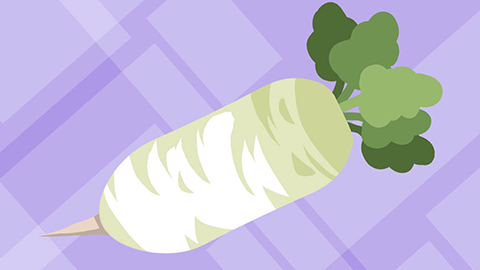
Moreover, during acute flare-ups or perioperatively, all raw vegetables must be strictly avoided. Only vegetable juices or vegetable purees are permitted, as intestinal function is significantly compromised during acute episodes, impairing digestion and absorption of vegetables—and potentially exacerbating inflammation or irritating the bowel. Patients with proctitis should specifically avoid highly fibrous or irritating vegetables—including sweet potatoes, radishes, celery, and raw vegetables—as well as pungent seasonings such as scallions, ginger, and garlic. These foods may irritate the gastrointestinal tract and, due to limited intestinal function, cannot be adequately digested or absorbed.
When symptoms of proctitis appear, prompt medical consultation and treatment are essential to prevent disease progression and complications. We hope this information proves helpful.


