


How is arteriosclerosis treated?
Aug 24, 2022
Source: Cainiu Health

Dr. Li Man
Introduction
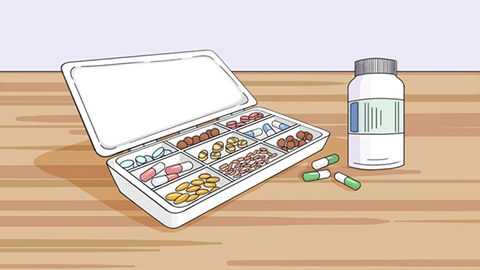
Atherosclerosis can be treated with medications. Cholesterol-lowering drugs—primarily statins, such as simvastatin and atorvastatin—are the mainstay of therapy. These agents not only reduce blood lipid levels but also stabilize atherosclerotic plaques in blood vessels, thereby preventing progression of atherosclerosis; long-term use is recommended. Additionally, antiplatelet therapy with aspirin may be prescribed.
The incidence of arteriosclerosis is relatively high among elderly individuals. This is because, as people age, their arterial walls gradually thicken and stiffen, losing elasticity, which leads to narrowing of the arterial lumen and ultimately results in arteriosclerosis. Arteriosclerosis can damage vital organs—including the heart and kidneys—and therefore requires timely treatment. So, how is arteriosclerosis treated?
How Is Arteriosclerosis Treated?
Arteriosclerosis can be managed pharmacologically. Cholesterol-lowering medications—primarily statins such as simvastatin and atorvastatin—are commonly prescribed to control disease progression. These agents not only reduce blood lipid levels but also stabilize atherosclerotic plaques, thereby preventing further worsening of arteriosclerosis. Long-term use of these medications is generally recommended. Additionally, low-dose aspirin may be prescribed for antiplatelet therapy to prevent thrombus formation and subsequent vascular occlusion; however, specific drug selection depends on the affected vessels and individual clinical circumstances.
Risk factors for arteriosclerosis include age and sex—older adults and postmenopausal women are particularly susceptible. Hyperlipidemia—elevated levels of cholesterol, triglycerides, and low-density lipoprotein (LDL) in the bloodstream—promotes lipid deposition within the vessel wall. This damages the endothelium, allowing LDL to infiltrate the intima and trigger smooth muscle cell proliferation and fibrosis, culminating in plaque formation and arteriosclerosis. Hypertension exacerbates this process by injuring the vascular endothelium, facilitating LDL infiltration into the arterial wall and stimulating smooth muscle hyperplasia, thereby accelerating arteriosclerosis.
Patients are advised to quit smoking, limit alcohol consumption, engage in regular physical activity to increase caloric expenditure, and maintain a healthy body weight. We hope this information proves helpful.








