


What should I do if hemorrhoidal pain is caused by “internal heat”?
Aug 24, 2022
Source: Cainiu Health

Dr. Cheng Yicheng
Introduction
Anal burning pain is primarily caused by dietary irritants, internal damp-heat, and perianal diseases. It can generally be alleviated and treated through dietary adjustments, traditional Chinese medicine (TCM) sitz baths, oral TCM patent medicines, or surgical intervention. Dietary modification is essential: emotional stress can lead to constipation, which in turn irritates the anus and causes anal pain. Patients are advised to drink plenty of water and consume more fruits, vegetables, and other high-fiber foods.
When you experience “internal heat” (a traditional Chinese medicine concept often associated with inflammation or irritability), anal pain can be extremely uncomfortable and embarrassing—typically triggered by dietary factors. Therefore, the best approach to managing this condition is dietary therapy. So, what should you do if anal pain results from “internal heat”?
How to Manage Anal Pain Caused by “Internal Heat”
Anal burning or pain is primarily caused by dietary irritants, internal damp-heat, or perianal diseases. It can generally be alleviated or treated through dietary adjustments, herbal sitz baths, oral traditional Chinese patent medicines, or surgical intervention when necessary. Dietary modification is essential: emotional stress (e.g., anger) may lead to constipation, which in turn irritates the anus and causes pain. Increasing fluid intake and consuming fiber-rich foods—such as celery, bananas, and leeks—helps soften stools and relieve anal discomfort. Herbal sitz baths are also highly effective; formulations such as Qingre Jiedu Tang (Heat-Clearing and Toxin-Resolving Decoction), anti-inflammatory and analgesic herbal blends, or Jin Xuan Zhike Xunxi San (Jin Xuan Cough-Relieving Fumigation and Washing Powder) can improve local blood circulation around the anus, promote absorption of inflammation, and cleanse the perianal skin—thereby alleviating burning sensations.
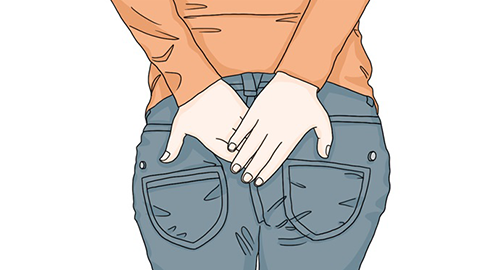
It is advisable to reduce consumption of spicy foods, drink plenty of water, and increase intake of fruits and vegetables. If diarrhea occurs, treat it promptly. Maintain strict perianal hygiene—clean the anal area thoroughly after each bowel movement. Stay well-hydrated, avoid spicy foods, and wash hands frequently. Symptoms may indicate hemorrhoids or an anal fissure; therefore, prompt digital rectal examination is recommended for definitive diagnosis. In most cases, external hemorrhoid suppositories offer effective relief, and maintaining regular, soft bowel movements is strongly encouraged.
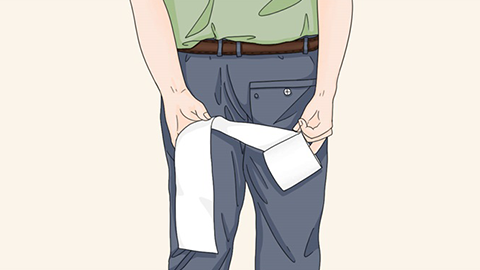
Patients should consistently monitor their diet—avoiding cold, spicy, and irritating foods—and maintain rigorous perianal hygiene and cleanliness to prevent recurrence of anal burning or pain. We hope this information proves helpful to you.






