What to Do During an Acute Asthma Attack
Aug 24, 2022
Source: Cainiu Health

Dr. Guo Xiheng
Introduction
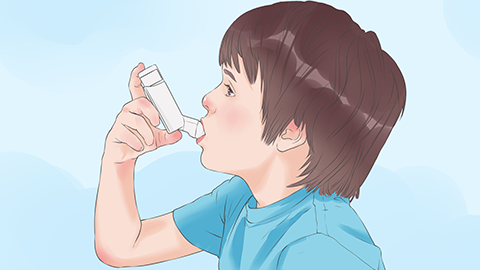
An acute asthma attack can be promptly relieved with appropriate medication. For instance, timely inhalation of albuterol is highly effective in alleviating an acute asthma attack. Monitor symptoms closely; if the medication proves ineffective, seek medical evaluation and treatment at a hospital without delay. In severe cases, immediately call 120 for emergency medical assistance. During an acute asthma attack, it is essential to relieve airway obstruction.
Asthma is an allergic respiratory disorder. With improvements in living standards, its incidence has been rising—particularly in coastal and humid regions, where the increase is especially pronounced. This condition commonly affects children and adolescents, significantly impairing patients’ daily lives. So, what should be done during an acute asthma attack?
What to Do During an Acute Asthma Attack
An acute asthma attack can often be promptly relieved with medication. For example, timely inhalation of salbutamol effectively alleviates acute symptoms. Monitor for symptom resolution; if the medication proves ineffective, seek medical evaluation and treatment at a hospital without delay. In severe cases, immediately call 120 for emergency assistance. During an acute asthma attack, priority must be given to relieving airway obstruction. The primary routes of drug administration are local airway inhalation or intravenous infusion. Commonly used inhaled medications include ipratropium bromide, budesonide, and terbutaline. Intravenous medications—such as aminophylline or corticosteroids—may be administered under a physician’s guidance. All medications must be taken strictly as prescribed by a healthcare provider; self-medication is strictly prohibited. In cases of severe asthma, mechanical ventilation may be required.

For patients experiencing acute asthma, environmental management is paramount. Particular attention must be paid to ensuring smooth, clean airflow in their living environment. Simultaneously, maintaining overall hygiene and minimizing dust accumulation is essential. Regulating indoor temperature to an appropriate level is also critically important.
In daily life, patients should follow a regular, balanced diet—avoiding spicy, irritating foods, overeating, and staying up late. We hope this information proves helpful.