


How severe is a Grade III meniscus injury?
Aug 24, 2022
Source: Cainiu Health

Dr. Lin Yunfei
Introduction
Grade III meniscal injury is relatively severe. Meniscal injuries are classified into Grades I, II, and III; thus, Grade III represents the most severe form. Most meniscal injuries result from significant external trauma. Primary and secondary injuries are comparatively milder and can often be managed conservatively. Once the meniscus reaches Grade III injury, patients typically experience severe knee pain and restricted joint mobility.
Diagnosis of meniscal injury primarily relies on patient history and clinical examination. Most patients have a history of trauma, with localized, persistent pain and tenderness along the affected joint line. A comprehensive analysis incorporating various diagnostic tests enables accurate diagnosis in most cases. In patients with severe trauma, clinicians should carefully assess for concomitant injuries to the collateral ligaments and cruciate ligaments. So, how severe is a Grade III meniscal tear?
How Severe Is a Grade III Meniscal Tear?
A Grade III meniscal tear is considered severe. Meniscal injuries are classified into Grades I, II, and III—with Grade III representing the most severe form. While most meniscal injuries result from significant traumatic impact, Grade I and II (primary and secondary) injuries are relatively mild and often amenable to conservative management. Once a meniscal tear progresses to Grade III, patients typically experience intense knee pain and marked limitation of joint mobility. Conservative treatment is generally ineffective at this stage, and surgical intervention—most commonly arthroscopic surgery—is usually required. Postoperative care must be meticulous.
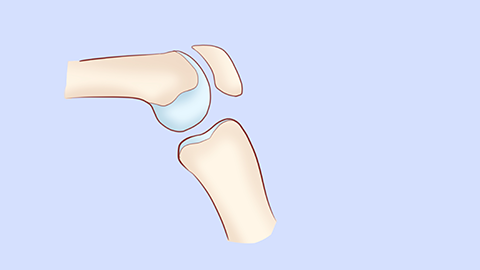
Recovery following meniscal surgery is relatively prolonged, requiring a minimum of three months before gradual resumption of normal activities. During rehabilitation, patients should avoid knee flexion, extension, or other strenuous movements. Individuals with Grade III meniscal tears should strictly avoid high-impact activities to prevent overuse; excessive walking, for example, may exacerbate the injury. Additionally, supportive therapies—including acupuncture, infrared radiation therapy, and heat application—may be incorporated into daily care to promote circulation and improve blood flow to the meniscus by unblocking local meridians and enhancing microcirculation.
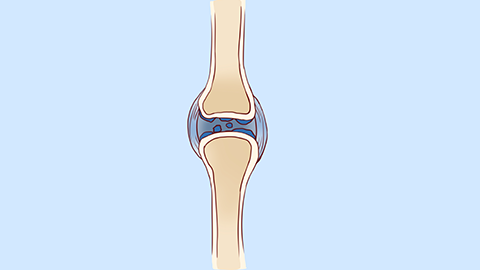
In daily life, patients should maintain a balanced, regular diet—avoiding spicy, irritating foods and refraining from overeating or staying up late. We hope this information is helpful to you.


