


How severe is a Grade III meniscus injury?
Aug 24, 2022
Source: Cainiu Health

Dr. Lin Yunfei
Introduction
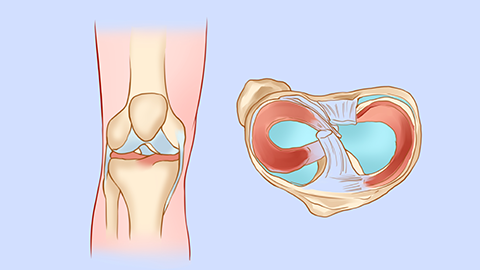
Grade III meniscal injury results in partial fragmentation, rupture, and detachment of the meniscus. Generally, this is considered a relatively severe injury following MRI diagnosis. The extent of damage may include partial fragmentation of the meniscal body, flap tears, and bucket-handle tears—where a portion of the meniscus lifts up like the handle of a bucket. In severe cases, crushing, splitting, and detachment may occur.
Between the femoral and tibial condyles of the knee joint lies a C-shaped fibrocartilaginous structure known as the meniscus. Tears occurring in horizontal, transverse, longitudinal, or other directions result in meniscal injury. How severe is a Grade III meniscal injury?
How Severe Is a Grade III Meniscal Injury?
A Grade III meniscal injury involves partial fragmentation, rupture, and detachment of the meniscus. It is generally considered a relatively severe injury following MRI diagnosis. The extent of damage may include partial fragmentation of the meniscal body, flap tears, and bucket-handle tears—where a portion of the meniscus detaches and flips upward, resembling the handle of a bucket. In severe cases, crushing, splitting, and complete detachment may occur. Such advanced injury typically leads to joint swelling, effusion, and impaired mobility—especially during stair climbing (ascending or descending) or twisting motions. Concurrently, muscle atrophy may develop, resulting in diminished functional capacity. Loose fragments can further compromise movement, particularly stair navigation, knee flexion, and rotational maneuvers. Intense pain may also contribute to secondary injury and atrophy of surrounding ligaments and bone structures.
Weight-bearing exercises such as supine leg raises, static squats, weighted squats, deep squats, push-ups, and step-ups may be performed for over 20 minutes per session, two to three times weekly. Seated straight-leg raises—performed with an ankle weight—can strengthen the quadriceps muscles, thereby enhancing knee joint stability and helping prevent meniscal injury.
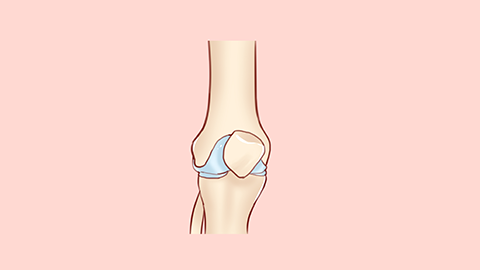
In daily life, maintain a balanced diet; avoid spicy, irritating foods, binge eating, and late-night activity. We hope this information proves helpful.


