How is degenerative knee arthritis treated?
Aug 24, 2022
Source: Cainiu Health

Dr. Lin Yunfei
Introduction
Degenerative arthritis, also known as osteoarthritis, reflects degeneration of the articular cartilage and is an inevitable phenomenon associated with aging. While it cannot be prevented entirely, measures can be taken to slow down the aging process of joints—such as engaging in appropriate physical exercise, maintaining a healthy diet, managing stress, and fostering positive social relationships. Regular strengthening exercises for the quadriceps muscles can help decelerate joint degeneration. This condition predominantly affects middle-aged and elderly individuals.
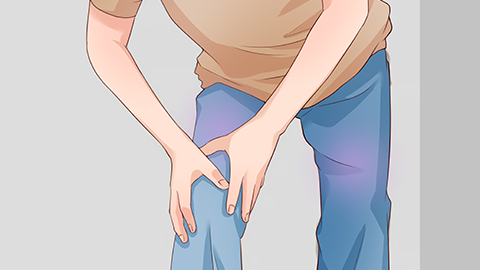
Osteoarthritis of the knee predominantly affects elderly individuals, but it can also occur in younger people. It may be unilateral or bilateral. Clinical manifestations in long-term bedridden patients include pain, joint deformity, restricted mobility, difficulty walking, and even knee contractures and muscle atrophy. So, how is degenerative knee osteoarthritis treated?
How Is Degenerative Knee Osteoarthritis Treated?
Degenerative arthritis—also known as degenerative joint disease—is characterized by progressive deterioration of articular cartilage, an inevitable part of aging. While cartilage degeneration cannot be entirely prevented, its progression can be slowed through lifestyle modifications: engaging in appropriate physical exercise, maintaining a healthy diet, managing stress effectively, and nurturing positive social relationships. Regular strengthening exercises targeting the quadriceps muscles, for instance, can help delay joint degeneration. This condition most commonly affects middle-aged and older adults, particularly those with high physical activity levels, abnormal joint alignment (e.g., malalignment), or coexisting musculoskeletal conditions. A history of periarticular fracture—especially around the knee—may accelerate joint degeneration; thus, such risk factors should be minimized, and joint health should be carefully safeguarded.
Occupational exposure is another important factor: certain professions involving repetitive joint use predispose individuals to degenerative joint disease. For example, foundry workers frequently develop elbow and shoulder involvement, while miners are prone to spinal and knee degeneration. Other high-risk occupations include loaders, drivers, mechanics, and ballet dancers. Additionally, genetic factors may contribute to susceptibility, though this is relatively uncommon.

In daily life, individuals should maintain a balanced diet rich in high-quality protein. During cold seasons, patients with degenerative joint disease should dress warmly to protect affected joints from chilling. We hope this information proves helpful.