


Why does pulpitis still cause pain after taking metronidazole?
Aug 24, 2022
Source: Cainiu Health

Dr. Zhang Liwen
Introduction
Persistent pain after taking metronidazole for pulpitis indicates the development of drug resistance. Pulpitis is commonly associated with inflammation caused by bacterial infection; thus, antimicrobial therapy is often effective. In addition to pharmacological treatment, surgical interventions tailored to the specific clinical presentation of pulpitis are essential to achieve optimal therapeutic outcomes. Commonly employed procedures include root canal treatment, direct pulp capping, and indirect pulp capping.
Pulpitis is a common symptom of oral diseases and is generally categorized into acute pulpitis and chronic pulpitis. Pulpitis symptoms are associated with delayed or inadequate treatment and control of hard dental tissue diseases, which can easily lead to pulp infection and subsequently manifest as pulpitis.
Treatment for pulpitis may involve adjunctive pharmacotherapy. However, why does pain persist in patients with pulpitis even after taking metronidazole?
Why Does Pain Persist in Pulpitis Patients Taking Metronidazole?
Pain may persist despite metronidazole administration due to the development of drug resistance. Since pulpitis is commonly caused by bacterial infection-induced inflammation, antimicrobial therapy is often effective. In addition to medication, surgical interventions tailored to the specific clinical presentation of pulpitis are essential to achieve optimal therapeutic outcomes. Commonly employed procedures include root canal treatment, direct pulp capping, and indirect pulp capping—all of which yield highly favorable results in managing pulpitis. For patients wishing to preserve vital pulp tissue, treatment options such as pulp capping, indirect pulp capping, or pulpotomy may be selected to maximize pulp preservation.
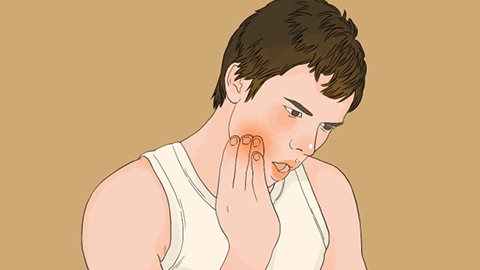
Acute toothache associated with pulpitis can be rapidly alleviated through local cold compresses and improved oral hygiene. When tooth pain occurs, applying an ice pack is recommended, as it effectively reduces pain and discomfort. In cases of severe pain, pharmacologic analgesia under medical supervision is advised. Furthermore, dental caries—often linked to poor oral hygiene—is frequently an underlying cause of toothache in these patients.

In daily life, patients should maintain a positive mindset, actively cooperate with their healthcare providers, adhere strictly to prescribed medication regimens (both dosage and timing), and practice appropriate self-care to facilitate prompt clinical improvement. We hope this information proves helpful to you.






