


What to Do During an Angina Attack
Aug 24, 2022
Source: Cainiu Health

Dr. Li Man
Introduction
Exercise caution during an angina attack: sit down or lie down nearby and remain still, as rest itself can alleviate angina symptoms. Promptly take Compound Danshen Dropping Pills or Jiu Xin Wan (Rescue Heart Pills) sublingually, as directed by your physician, to help terminate the pain promptly. At this time, ask someone nearby to measure your heart rate and blood pressure. If blood pressure is normal but heart rate is excessively rapid…
Angina pectoris often gives patients the sensation of intense, severe pain—as if it were “hanging” directly over the heart. Literally interpreted, the term suggests a serious, debilitating pain that typically causes marked discomfort; patients commonly experience sharp, localized pain behind the sternum. So, what should one do during an angina attack?
What to Do During an Angina Attack
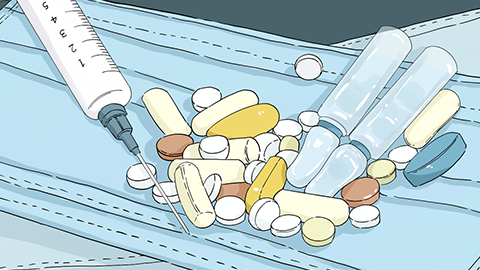
During an angina attack, remain calm and immediately sit or lie down nearby to rest quietly—rest itself can help alleviate symptoms. Promptly take prescribed medications such as Compound Danshen Dropping Pills or Jiu Xin Wan (Rescue Heart Pills), administered sublingually, under your physician’s guidance. At this time, ask someone nearby to measure your heart rate and blood pressure. If blood pressure is normal but heart rate is excessively elevated, oral medications may be taken—these can help reduce heart rate, decrease myocardial oxygen demand, and improve myocardial function.
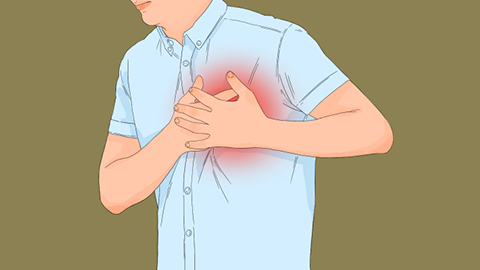
During an angina attack, patients typically describe the chest discomfort as oppressive, constricting, suffocating, or heavy—not sharp, stabbing pain per se. Nevertheless, patients instinctively avoid further physical activity—a hallmark feature of angina. Some patients may describe the sensation as “severe,” reflecting greater intensity or severity of the discomfort. Additionally, chest discomfort may be accompanied by belching.
We recommend that patients seek timely medical evaluation and treatment upon noticing symptoms. We hope this information proves helpful to you.







