


Mortality Rate of Severe Myocarditis
Aug 24, 2022
Source: Cainiu Health

Dr. Li Man
Introduction
The mortality rate of severe myocarditis reaches 60–70%. Severe myocarditis often causes significant cardiac damage, directly threatening life. Therefore, once patients exhibit abnormal physical symptoms, timely examination and diagnosis are essential. Early-stage myocarditis is relatively easy to treat; standard drug therapy can typically control disease progression, and the prognosis is generally excellent, with recurrence being rare.
Many cases of myocarditis are caused by bacterial infections, and some patients also have underlying diseases. Patients with myocarditis commonly experience various uncomfortable symptoms, including palpitations, headache, dizziness, and joint pain. To alleviate these symptoms, it is essential to identify the underlying cause. So, what is the mortality rate for severe myocarditis?
Mortality Rate of Severe Myocarditis
The mortality rate for severe myocarditis ranges from 60% to 70%. Severe myocarditis often causes significant cardiac damage, directly threatening life. Therefore, once abnormal physical signs appear, prompt examination and diagnosis are critical. Early-stage myocarditis is relatively easy to treat; standard drug therapy can usually control disease progression, and the prognosis is generally excellent, with very low recurrence rates. However, if treatment is delayed and the condition progresses to severe myocarditis, emergency intervention becomes necessary. During this period, meticulous patient care is vital—including strict infection prevention—to avoid potentially catastrophic complications.
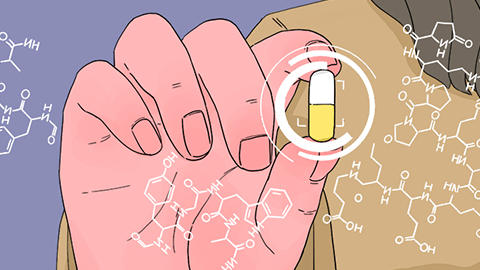
Myocarditis is classified into two main types: common (mild-to-moderate) and severe. Although treatment approaches are largely similar, absolute bed rest remains the cornerstone of management for all myocarditis patients—regardless of severity. In severe cases, overt heart failure and even cardiac dilation are frequently observed, necessitating prolonged bed rest—often extending to 3–6 months. Antiviral therapy is also commonly employed, as most severe myocarditis cases are viral in origin; numerous antiviral agents are available clinically.
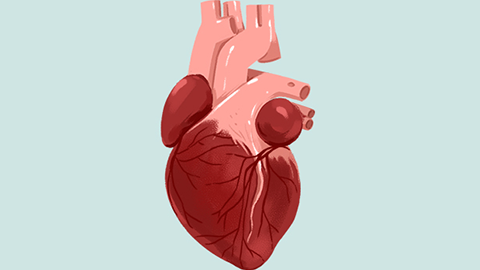
Patients are advised to receive appropriate antiarrhythmic treatment, which may include pharmacologic antiarrhythmic agents. We hope this information proves helpful to you.




