


What Is Angina?
Aug 24, 2022
Source: Cainiu Health

Dr. Zhang Jianbin
Introduction
Angina pectoris is a clinical syndrome caused by inadequate coronary artery blood supply and acute, transient myocardial ischemia and hypoxia, primarily characterized by paroxysmal chest pain or discomfort. Following disease onset, a range of symptoms typically develops, most commonly paroxysmal chest pain and pressure, often accompanied by other associated symptoms. When the coronary arteries become narrowed or partially occluded, their capacity for vasodilation diminishes, resulting in reduced blood flow and relatively fixed myocardial oxygen supply.
In daily life, angina pectoris is actually a serious medical condition that significantly disrupts patients’ quality of life. This disease not only causes symptoms such as chest pain and tightness but may also lead to complications including arrhythmias and acute heart failure. So, what exactly is angina pectoris?
What Is Angina Pectoris?
Angina pectoris is a clinical syndrome caused by insufficient coronary artery blood supply and acute, transient myocardial ischemia and hypoxia. Its hallmark manifestation is paroxysmal chest pain or discomfort. Following onset, patients typically experience a constellation of symptoms—most commonly paroxysmal chest pain or pressure—often accompanied by additional signs. When the coronary arteries become narrowed or partially occluded, their capacity for vasodilation diminishes and blood flow decreases, resulting in relatively fixed myocardial oxygen supply. Under conditions such as physical exertion, emotional stress, overeating, or cold exposure, cardiac workload increases abruptly: heart rate rises, myocardial tension and contractility increase, and consequently, myocardial oxygen demand surges. However, coronary blood flow cannot increase correspondingly to meet this heightened demand, thereby triggering an angina attack. Patients may develop either stable or unstable angina.
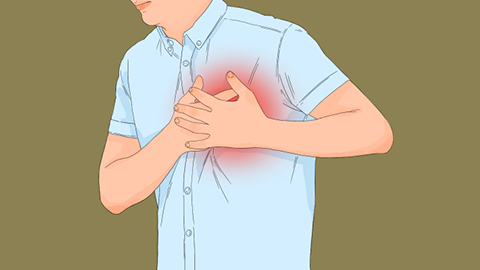
Myocardial ischemia primarily results from inadequate or reduced oxygen supply. Conditions that increase myocardial oxygen demand—such as hypertrophic cardiomyopathy, anemia, hyperthyroidism, aortic stenosis, or aortic regurgitation—may exacerbate ischemia in patients with coronary artery disease. A defining feature of these conditions is angina. Although the heart itself lacks pain receptors, ischemia and hypoxia induce lactic acidosis, which triggers reflexive pain perception. The term “angina pectoris” specifically refers to chest pain occurring prior to transient myocardial ischemia due to coronary artery atherosclerotic narrowing and consequent inadequate coronary perfusion. Without timely intervention, angina may progress to sustained myocardial ischemia or more severe cardiac events.

Patients are advised to follow a low-salt, low-fat diet, avoiding high-fat and high-sodium foods, and instead consuming ample green vegetables (e.g., celery, Chinese cabbage) and fresh fruits. We hope this information proves helpful.





