


How to Effectively Treat Cerebral Infarction
Aug 24, 2022
Source: Cainiu Health

Dr. Li Man
Introduction
Currently, there are no specific drugs for treating cerebral infarction; therefore, treatment is typically symptomatic. For instance, medications that nourish neurons and improve cerebral blood circulation are used to address the specific manifestations of cerebral infarction. Additionally, symptomatic treatment should be tailored according to the patient’s individual clinical presentation. Patients with any of the three high-altitude illnesses require prompt control of blood pressure and blood glucose levels, as well as reduction of intracranial pressure.
Ischemic stroke requires prompt treatment to prevent disease progression and more severe complications. There are three primary treatment approaches: pharmacotherapy, surgical intervention, and rehabilitation training. Below, we will examine each of these modalities in detail. So, what is the most effective treatment for ischemic stroke?
What Is the Most Effective Treatment for Ischemic Stroke?
Currently, no specific “miracle drug” exists for treating ischemic stroke; therefore, treatment is primarily symptomatic and supportive. For instance, medications aimed at neuroprotection and improving cerebral blood circulation are commonly used. Additionally, therapy must be tailored to the patient’s specific clinical manifestations. Patients with comorbid hypertension, diabetes mellitus, and hyperlipidemia require timely control of blood pressure and blood glucose levels, as well as reduction of intracranial pressure. If fever or infection is present, prompt antimicrobial therapy is essential. Antiepileptic drugs may be required to manage seizures, and anticoagulant or antiplatelet agents are often prescribed to prevent deep vein thrombosis. Furthermore, antiplatelet agents (e.g., aspirin, clopidogrel) and lipid-lowering medications (e.g., statins) are routinely administered—always under physician guidance.
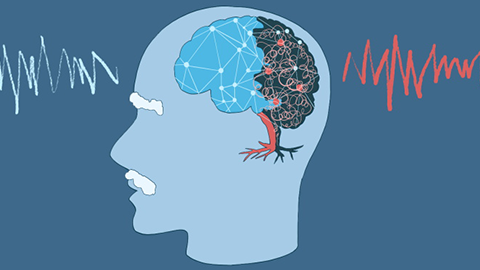
Ischemic stroke may result from underlying conditions such as diabetes mellitus or atherosclerosis. Diabetes is a prevalent chronic disease that predisposes individuals to ischemic stroke. It induces pathological changes in both micro- and macrovasculature, narrows vascular lumens, and increases blood viscosity—all of which elevate stroke risk. Atherosclerosis is another major pathogenic contributor to ischemic stroke. In this condition, vascular endothelium becomes damaged, triggering platelet aggregation at the injury site and facilitating thrombus formation. If such thrombosis occurs within cerebral vessels, it can readily precipitate ischemic stroke.

It is recommended to adopt a light, balanced diet low in salt, fat, and calories but rich in high-quality protein, while avoiding spicy and irritating foods. We hope this information proves helpful to you.






