


How to Treat Bleeding Gums
Aug 24, 2022
Source: Cainiu Health

Dr. Zhang Liwen
Introduction
There are numerous causes of gingival bleeding, including dental calculus, poorly executed dental restorations, intraoral appliances (e.g., orthodontic devices), and vitamin deficiencies. To diagnose the underlying cause of gingival bleeding, if gingivitis is suspected—characterized by bleeding during toothbrushing or while biting into hard foods—supragingival ultrasonic scaling (commonly referred to as “teeth cleaning”) is recommended. However, once periodontitis has developed, simple teeth cleaning alone is insufficient to restore gingival health.
Oral diseases are common conditions, with primary symptoms including bleeding and pain. If you experience such symptoms, you should seek medical attention at a hospital to determine an appropriate treatment plan and receive professional care tailored to your specific condition. Many people are understandably concerned about treatment—so how is gingival bleeding treated?
How Is Gingival Bleeding Treated?
Gingival bleeding can stem from various causes, such as dental calculus (tartar), poorly fitting dental restorations, oral appliances (e.g., dentures or orthodontic devices), or vitamin deficiencies. To accurately diagnose the underlying cause of gingival bleeding: if it results from gingivitis—characterized by bleeding during toothbrushing or while chewing hard foods—supragingival ultrasonic scaling (commonly known as “teeth cleaning”) is typically recommended. However, once periodontitis develops, simple teeth cleaning alone is insufficient to restore healthy gums. In such cases, subgingival scaling, root planing, and other periodontal surgical procedures may be required. For severe cases, irrigation and localized intrapocket medication may also be necessary.
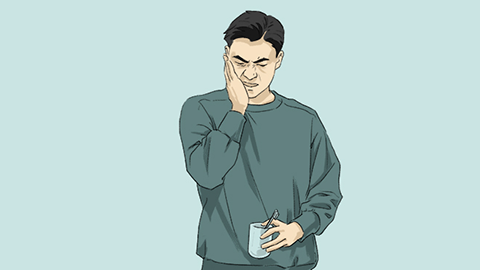
In addition, avoid consuming spicy or otherwise irritating foods to prevent further gum irritation. Poorly fitting restorations causing gingival bleeding should be promptly adjusted or replaced. For bleeding induced by oral appliances, maintaining excellent oral hygiene—including thorough brushing—is essential. Generally, increase intake of vegetables and fruits to ensure adequate vitamin intake; after professional cleaning, practice meticulous brushing and rinse thoroughly after meals. Regular dental check-ups are also strongly advised.
If you notice any signs or symptoms of disease in daily life, seek timely diagnosis and treatment, and actively cooperate with your healthcare provider. We hope this information proves helpful to you.




