


What are the early signs of blood cancer?
Dec 12, 2025
Source: Cainiu Health

Dr. Li Feng
Introduction
In general, the early signs of blood cancer mainly include unexplained anemia, recurrent fever, abnormal bleeding, bone and joint pain, and painless enlargement of lymph nodes. These early symptoms are easily confused with other diseases. If one or more of the above manifestations occur, timely medical evaluation is necessary to identify the underlying cause and initiate appropriate management to ensure health and well-being.
Under normal circumstances, early signs of blood cancer mainly include unexplained anemia, recurrent fever, abnormal bleeding, bone and joint pain, and painless lymph node enlargement. A detailed analysis is as follows:
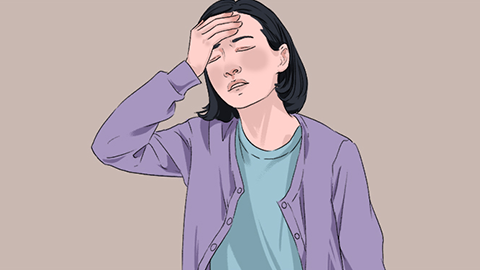
1. Unexplained anemia: Symptoms include dizziness, fatigue, pale complexion, palpitations, and shortness of breath, which worsen with physical activity and show no significant improvement even after nutritional supplementation. This occurs due to impaired bone marrow hematopoietic function leading to reduced red blood cell production, and is one of the common early signals of blood cancer.
2. Recurrent fever: Persistent low-grade or moderate fever (usually around 38°C) without clear cause, poorly responsive to anti-infective treatment, or recurring frequently. This is often related to leukemia cells suppressing normal immune function, resulting in secondary infections.
3. Abnormal bleeding: Spontaneous bleeding without trauma, such as skin bruising, gum bleeding, or nosebleeds; some women may experience abnormally heavy menstrual bleeding, and severe cases may involve internal organ bleeding. These occur due to insufficient platelet production and impaired coagulation function.
4. Bone and joint pain: Dull or aching pain commonly occurs in the sternum, ribs, and limb joints. Pediatric patients may present with limb pain and reluctance to move. This is primarily caused by infiltration of leukemia cells into bones and joints, damaging local tissues.
5. Painless lymphadenopathy: Enlarged lymph nodes appear in areas such as the neck, armpits, and groin. The nodes are firm, non-tender, and not easily movable, occurring singly or sometimes fusing together.
These early symptoms can be easily confused with other diseases. If one or more of the above manifestations occur, timely medical evaluation is necessary to identify the underlying cause and ensure proper management for maintaining health and well-being.





