


What should I do if my gums have receded to the root surface?
Aug 24, 2022
Source: Cainiu Health

Dr. Zhang Liwen
Introduction
Treatment for gingival recession and root exposure depends on the underlying cause of the recession and the extent of root exposure. Since there are numerous causes of gingival recession—most commonly bacterial in origin—patients should seek periodontal treatment at a reputable hospital’s dental department. Gingivitis and alveolar bone inflammation caused by bacterial infection can be treated by suppressing bacteria at the cervical region of the teeth and removing dental calculus.
Many people believe that gum recession only occurs with aging, so they assume it won’t affect them while they’re relatively young. This assumption is incorrect. Gum recession significantly impacts dental health and requires active cooperation with a dentist for proper treatment. So, what should be done if gum recession has progressed to expose the tooth roots?
What to Do If Gum Recession Has Exposed the Tooth Roots
The treatment of gum recession and root exposure depends on the underlying cause and the extent of root exposure. Since gum recession can result from numerous factors—most commonly bacterial infection—patients should seek periodontal treatment at a reputable hospital’s dental department. Gingivitis and alveolar bone inflammation caused by bacterial infection can be managed by suppressing bacteria around the cervical region of the teeth and removing dental calculus, thereby controlling further gum recession.
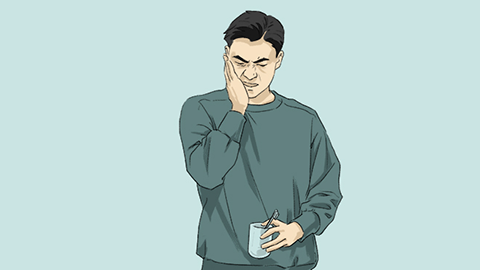
If root exposure results from trauma—such as improper brushing or incorrect flossing techniques—these habits must be corrected. If brushing is temporarily contraindicated due to a viral infection, chlorhexidine mouthwash should be used. Once the viral infection is under control, gentle brushing with a soft-bristled toothbrush may gradually resume. In cases of extensive root exposure with stable teeth, periodontal surgery may be considered to assess whether bone grafting can restore alveolar bone height.
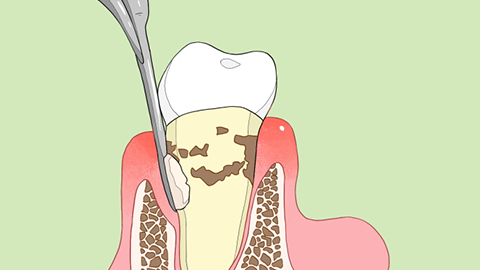
If symptoms of disease are noticed in daily life, prompt diagnosis and treatment—and close collaboration with healthcare providers—are essential. We hope this information is helpful to you.



