


Is sweating on the palms and soles due to yin deficiency or yang deficiency?
Aug 24, 2022
Source: Cainiu Health

Dr. He Haochen
Introduction
Palmar and plantar hyperhidrosis (excessive sweating of the palms and soles) may result from either yin deficiency or yang deficiency. Symptoms of yin deficiency include dry mouth, dry eyes, dry tongue, and dry nose. Additionally, signs of “excess fire due to yin deficiency”—such as low-grade fever, irritability, and insomnia—may be present; treatment focuses on nourishing yin and clearing heat. Yang qi plays a role in restraining and consolidating body fluids, including sweat. When yang qi is deficient, its consolidating function weakens, leading easily to excessive sweating of the hands and feet.
Yin deficiency and yang deficiency are common syndromes in Traditional Chinese Medicine (TCM), yet most people lack a clear understanding of them—and even less awareness of their distinctions. Although yin or yang deficiency may not cause overt discomfort, both can severely compromise physical health and progressively weaken one’s constitution. So, is excessive sweating of the palms and soles indicative of yin deficiency or yang deficiency?
Is palm-and-sole sweating due to yin deficiency or yang deficiency?
Excessive sweating of the palms and soles may stem from either yin deficiency or yang deficiency. Typical manifestations of yin deficiency include dry mouth, dry eyes, dry tongue, and dry nose. It is often accompanied by symptoms of “excess fire due to yin deficiency,” such as low-grade fever, irritability, and insomnia—conditions that can be addressed through nourishing yin and clearing heat. Yang qi plays a role in restraining and consolidating body fluids, including sweat. When yang qi is deficient, its consolidating function weakens, leading easily to spontaneous sweating of the hands and feet. If sweating is followed by cold, clammy palms and soles and reduced skin temperature, it is termed “cold sweat due to yang deficiency.” Treatment typically involves warming yang and tonifying qi, using herbs such as Aconiti Lateralis Radix Praeparata (Fuzi), Cinnamomi Cortex (Rougui), Astragali Radix (Huangqi), and Codonopsis Radix (Dangshen), which help warm yang and arrest sweating.
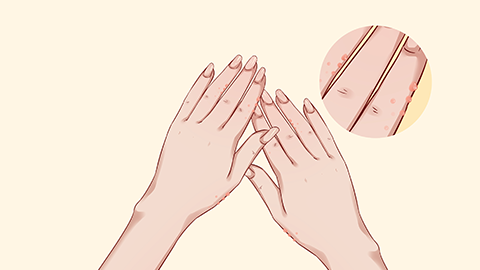
Management of palm-and-sole sweating includes both daily lifestyle adjustments and herbal therapy. Patients are advised to consume light, bland foods and avoid spicy or stimulating ones. Emotional regulation and adequate sleep are essential; staying up late should be avoided. In more severe cases, formulas that nourish yin and clear heat may be prescribed. Dietary modifications are particularly important: palm sweating is frequently associated with yin deficiency and internal heat. Therefore, spicy and irritating foods should be avoided, while a light diet rich in vegetables, fruits, and moderate amounts of lean meat is recommended.

Patients are advised to maintain a light diet and engage in moderate exercise to enhance immune function. We hope this information proves helpful.


