


How to Differentiate Between Kidney Yin Deficiency and Kidney Yang Deficiency
Aug 24, 2022
Source: Cainiu Health

Dr. He Haochen
Introduction
Differentiating between Kidney Yin Deficiency and Kidney Yang Deficiency based on symptoms:
Key manifestations of Kidney Yin Deficiency include low back weakness, dizziness, tinnitus, insomnia with frequent dreams, weight loss, and flushed cheeks.
In contrast, Kidney Yang Deficiency is characterized primarily by back pain, a dull, cold, and achy sensation, and coldness in the limbs. Symptoms are most pronounced in summer and are often accompanied by pallor. In males, excessive Yang Qi may rise upward easily; in females, menstrual irregularities—such as amenorrhea or metrorrhagia—may occur less frequently.
The health of the kidneys directly influences the abundance or deficiency of essence (jing), qi, and blood. Once kidney deficiency develops, the body manifests a series of symptoms; particularly in men, poor kidney function often correlates with diminished sexual function. Kidney deficiency is further classified into two primary patterns: kidney yang deficiency and kidney yin deficiency. So how can one distinguish between kidney yin deficiency and kidney yang deficiency?
How to Differentiate Kidney Yin Deficiency from Kidney Yang Deficiency
Diagnosis relies on symptom presentation. Key manifestations of kidney yin deficiency include lower back weakness, dizziness, tinnitus, insomnia with vivid dreams, weight loss, and flushed cheeks. In male patients, excessive yang may rise upward, whereas female patients commonly present with menstrual irregularities—such as amenorrhea or metrorrhagia—less frequently. By contrast, kidney yang deficiency is characterized primarily by dull, cold, and achy low back pain, cold limbs, and pronounced symptoms during summer. Additional signs include pallor, mental fatigue, erectile dysfunction, premature ejaculation, or seminal emission in men; and in women, infertility due to “cold uterus,” thin or profuse leukorrhea, etc. Thus, these two patterns can be clearly differentiated clinically based on their distinct symptom profiles.
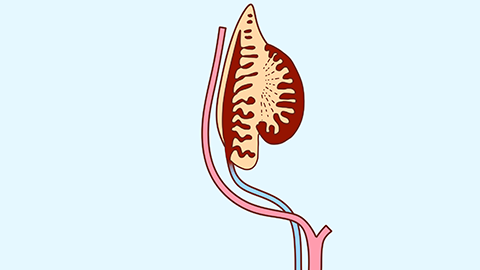
Kidney yang deficiency typically arises from constitutional weakness or excessive physical strain—including overindulgence in sexual activity. It reflects an inability of kidney yang to invigorate and warm the body, presenting with pallor, aversion to cold, cold extremities, and weakness or soreness in the lower back and knees. Kidney yin deficiency, conversely, denotes insufficiency of kidney yin fluids. Its hallmark symptoms include dizziness, tinnitus, insomnia with frequent dreams, seminal emission, menstrual disorders (e.g., amenorrhea) in women, emaciation, dry mouth and throat, night sweats with low-grade fever, and a fine, rapid pulse.
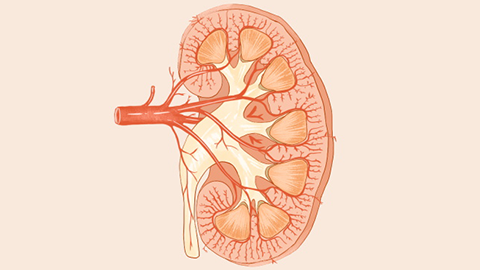
In daily life, patients should maintain a positive mindset, actively cooperate with healthcare providers in treatment, take prescribed medications regularly and as directed, and pay close attention to self-care—thereby facilitating prompt improvement in their condition. We hope this explanation proves helpful.


