


Best Treatment for Eczema in Children
Aug 24, 2022
Source: Cainiu Health

Dr. Xie Zixing
Introduction
The optimal treatment for infantile eczema follows a holistic approach, including measures such as cold compresses and wet dressings, which help alleviate symptoms. Additionally, dietary considerations are essential—infants should consume light, easily digestible foods whenever possible. Proper skin care is equally critical; maintaining skin hygiene remains the most common and fundamental component of managing eczema in children.
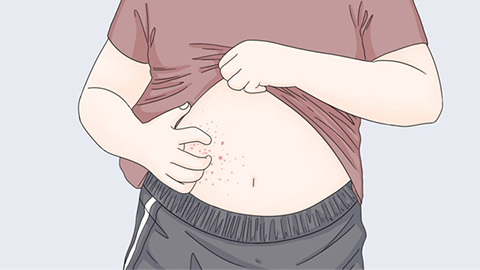
Eczema in infants may be triggered by exposure to allergens, excessively high indoor temperatures, or excessive moisture. In such cases, the skin may develop erythematous patches, papules, small vesicles, and erosions—accompanied by intense pruritus that the infant cannot tolerate. Therefore, prompt treatment is essential once eczema develops. So, what is the optimal treatment for childhood eczema?
Optimal Treatment for Childhood Eczema
The optimal approach to treating childhood eczema follows a holistic management strategy, incorporating measures such as cold compresses and wet dressings—both of which effectively alleviate infantile eczema symptoms. Additionally, dietary considerations are crucial: infants should consume light, non-irritating foods, while meticulous skin care—including maintaining skin cleanliness—is equally vital. Indeed, proper skin hygiene remains the most common and fundamental component of childhood eczema management. When eczema manifests solely as edema and papules without exudation, calamine lotion may be applied topically.

In cases with significant exudation, cold wet compresses using boric acid solution are recommended. Following compress therapy, zinc oxide oil may be applied locally to expedite symptom relief. During the acute phase—characterized primarily by erythema and papules—calamine lotion, topical corticosteroid creams, or gels are appropriate if no exudation is present. Conversely, when substantial exudation occurs, cold wet compresses with boric acid solution or furazolidone solution should be employed. After compress therapy, zinc oxide oil may again be applied; if secondary infection is suspected, chloramphenicol–zinc oxide oil may be used topically.
Patients are advised to avoid spicy, stimulating foods and seafood. We hope this information proves helpful.







