


What Should You Do If Your Baby Develops Heat Rash?
Aug 24, 2022
Source: Cainiu Health

Dr. Xie Zixing
Introduction
Baby heat rash can be relieved by applying talcum powder and medications. When a baby develops heat rash, frequent warm baths may help. After bathing, applying talcum powder can provide relief. If itching or other symptoms occur, cooling agents—such as peppermint oil or balm—may also be used. If the heat rash becomes severe, with skin ulcers or signs of infection, medical attention is advised.
During summer, when both temperature and humidity are high, heat rash (miliaria) may develop in infants if they engage in vigorous activity and sweat heavily, yet fail to maintain proper skin hygiene—leading to clogged pores and impaired evaporation of sweat. Affected infants often cry due to itching and discomfort in the affected areas. So, what should you do if your baby develops heat rash?
How to Manage Heat Rash in Babies
Heat rash in babies can be alleviated by applying talcum powder or topical medications. When a baby develops heat rash, frequent warm (not hot) baths are recommended. After bathing, gently pat the skin dry and apply baby talcum powder to soothe the rash. If itching or other symptoms are present, cooling agents such as peppermint oil or calamine lotion may also provide relief. In severe cases—such as when skin ulcers or secondary infection occur—it is essential to seek prompt medical attention. Under a physician’s guidance, topical corticosteroid or antihistaminic ointments may be prescribed.
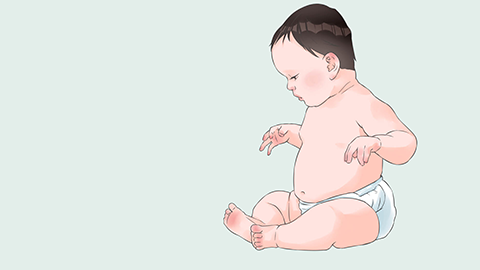
Babies with heat rash typically present with raised, red papules on the skin, often accompanied by itching and sometimes low-grade fever. Diagnosis is usually made clinically through direct physical examination. Heat rash is especially common in infants when indoor temperatures are high and humidity levels excessive—often exacerbated by poor ventilation. Once diagnosed, meticulous skin hygiene and cleanliness are critical. After bathing, lightly dusting the skin with talcum powder is advisable; in more severe cases, zinc oxide ointment may be applied, and the skin must be kept dry to prevent scratching and further irritation.

We recommend that caregivers keep the baby’s skin clean and dry, choose soft, breathable clothing for close contact with the skin, and maintain good personal hygiene. We hope this information proves helpful.




