


Can adults contract mumps?
Aug 24, 2022
Source: Cainiu Health

Dr. Zhang Liwen
Introduction
Adults are less likely to develop mumps, but more prone to bacterial parotitis. However, bacterial parotitis has a broader age range. Adult patients—particularly those with preexisting oral inflammatory lesions—are at higher risk for bacterial parotitis. Yet, such patients often fail to receive timely or effective treatment. Persistent inflammation may thus lead to retrograde infection of the parotid gland tissue.
Many people are familiar with mumps, a condition known in Traditional Chinese Medicine (TCM) as “zhā sāi” (parotitis). Its most characteristic symptoms include swelling and pain in the parotid region—often tender to touch—along with systemic discomfort, fever, and loss of appetite. Because the parotid swelling is often spontaneously painful, many patients become fearful of eating due to severe pain. So, can adults develop mumps?
Can adults develop mumps?
The likelihood of adults developing viral mumps is relatively low; however, they are at higher risk for bacterial parotitis. Bacterial parotitis has a broader age distribution and occurs more frequently in adults—especially those with pre-existing oral inflammatory conditions. If such inflammation remains untreated or inadequately treated, it may progress retrogradely to infect the parotid gland, resulting in bacterial parotitis—a condition particularly common among adult patients. Anyone experiencing symptoms suggestive of parotitis should seek medical evaluation promptly.
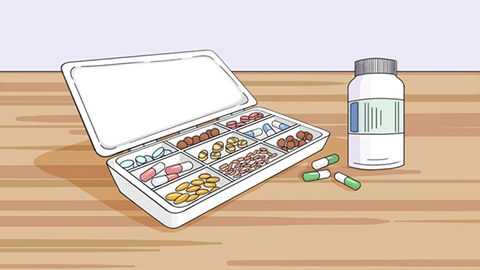
In the early stage, the inflammation is serous and responds well to antibiotic therapy—for example, a combination of streptomycin and bacitracin, or other broad-spectrum antibiotics. Adjunctive local physical therapies—including ultrashort-wave diathermy and infrared radiation—or topical application of traditional Chinese herbal preparations may also be employed. Oral rinsing to maintain oral hygiene is recommended. If conservative management fails to control the inflammation—manifesting as sharp, stabbing pain; pitting edema; compression of parotid tissue; or purulent discharge from the parotid duct—incision and drainage under local anesthesia becomes necessary. The incision is typically made anterior to the tragus or along the posterior border of the mandibular angle. A large vascular clamp is inserted into the parotid gland to separate and drain abscess cavities within each lobule.
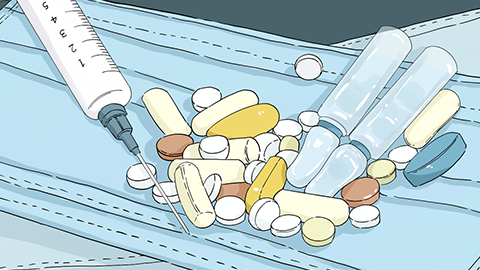
Upon onset of parotitis symptoms, patients should seek timely medical care to prevent disease progression. We hope this information proves helpful to you.


