What causes high estrogen levels?
Sep 13, 2022
Source: Cainiu Health

Dr. Pan Yongyuan
Introduction
Excess estrogen is caused by elevated hormone levels during puberty and does not require treatment. However, certain clinical conditions, such as cirrhosis, can also lead to increased estrogen levels in the body. The most common symptoms are feminization in males, including gynecomastia and abnormal discoloration of the palmar thenar eminence, which require timely treatment. Especially when ascites develops, prompt albumin supplementation is necessary.
In daily life, many people experience excessive estrogen secretion, leading to elevated estrogen levels. When estrogen levels become too high, timely treatment is necessary to avoid unnecessary harm to the body. There are various reasons for high estrogen levels—what exactly causes elevated estrogen?
What Causes High Estrogen Levels?
Excess estrogen can result from naturally high hormone levels during puberty and typically does not require treatment. However, certain clinical conditions, such as cirrhosis of the liver, can also lead to elevated estrogen levels in the body. The most common symptoms include feminization in males, such as enlarged breasts and abnormal discoloration in the thenar eminence (the fleshy area at the base of the thumb on the palm), which require prompt medical attention. In particular, when ascites (abdominal fluid accumulation) develops, timely albumin supplementation is needed to help eliminate the fluid and reduce the impact of the disease on the patient's quality of life.
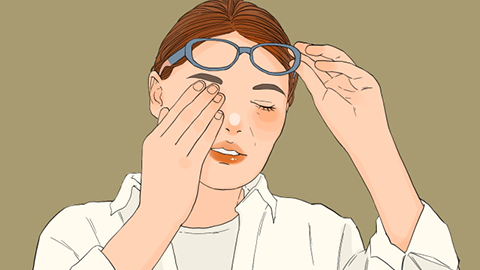
Early treatment of high estrogen levels is essential, as it can prevent progression to liver cancer due to delayed intervention. If necessary, anti-inflammatory and antimicrobial therapies should be administered to prevent peritonitis.
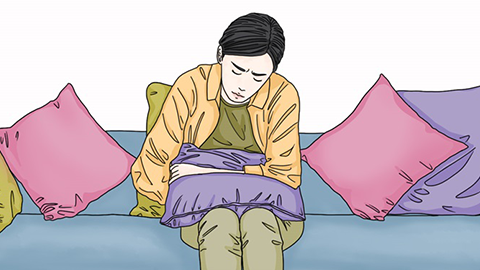
Management of high estrogen levels may include medication under a doctor’s guidance. It is also recommended to consume foods rich in selenium and zinc, such as oysters, mackerel, eel, kelp, walnuts, etc. Eating more soybeans and soy products is beneficial, as they help balance female estrogen levels. A low-fat, low-salt diet is advised. Maintain a light diet and limit intake of animal fats, including lard, butter, egg yolks, brains, and animal organs. We hope this information is helpful to you. Wishing you good health and a happy life.