What foods should children with allergic purpura eat
Sep 13, 2022
Source: Cainiu Health

Dr. Liu Wan
Introduction
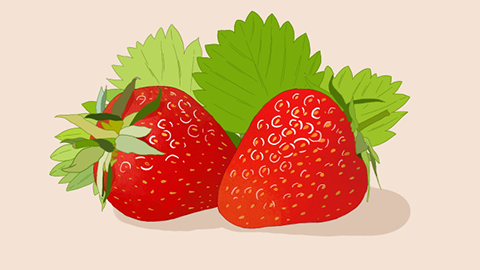
When children suffer from allergic purpura, they should consume light, easily digestible foods—such as nutritious congee and noodles. They should also eat more foods rich in vitamin C, including strawberries, oranges, apples, kiwifruit, and others. These foods are abundant in vitamin C; increased intake can enhance immune function and improve resistance to disease.
As environmental pollution becomes increasingly severe, the incidence of allergic purpura is also rising, especially among children, who are more susceptible due to their weaker immune systems. After developing allergic purpura, in addition to seeking prompt medical treatment, attention should also be paid to diet. So, what foods are suitable for children with allergic purpura?

What Foods Should Children with Allergic Purpura Eat?
Children with allergic purpura should consume light and easily digestible foods, such as nutritious porridge and noodles. They should also eat more foods rich in vitamin C, such as strawberries, oranges, apples, and kiwifruit. These fruits are high in vitamin C, which can help enhance immune function and resistance to disease. If a child experiences bleeding or anemia, they may benefit from blood-nourishing foods such as spinach, lean meat, red dates (jujubes), and animal liver. Red dates, in particular, are known for their ability to replenish both qi and blood.
When managing allergic purpura in children, it is important to avoid foods that may trigger allergic reactions, such as milk, fish, shrimp, crab, mutton, and seafood—especially those containing foreign proteins—and to steer clear of suspected allergens. Spicy foods like chili peppers must also be avoided, as excessive capsaicin intake can disrupt the endocrine system. Barbecued foods, grilled meats, and spicy snacks should not be consumed, as they often contain large amounts of food additives. Eating these can not only cause adverse reactions such as nausea, vomiting, and diarrhea but also hinder recovery. The above information answers the question of what foods are appropriate for children with allergic purpura. We hope this response is helpful. Wishing you good health and happiness.