Which is better for ophthalmic surgery: full femtosecond or half femtosecond?
Sep 13, 2022
Source: Cainiu Health

Dr. Jiang Weimin
Introduction
Both SMILE (small incision lenticule extraction) and FS-LASIK (femtosecond LASIK) are excellent options for ophthalmic refractive surgery. The optimal procedure should be selected based on an individual’s specific ocular anatomy and clinical needs. However, femtosecond laser technology is particularly suitable for correcting a broad range of myopia. During surgery, FS-LASIK offers higher precision than SMILE and is generally less costly. In contrast, SMILE involves a significantly smaller corneal incision.
With improving living standards and the widespread use of electronic devices, eye problems are becoming increasingly common. Which is better for eye surgery—full femtosecond or half femtosecond?
Full Femtosecond vs. Half Femtosecond Eye Surgery: Which Is Better?
Both full femtosecond and half femtosecond eye surgeries are effective. The choice should be based on your individual eye condition to determine the most suitable approach. However, femtosecond surgery is particularly suitable for correcting a wide range of myopia. In terms of surgical precision, half femtosecond may offer higher accuracy than full femtosecond, while also being more cost-effective. On the other hand, full femtosecond surgery typically involves a smaller incision, better preservation of the corneal surface, and less damage to corneal nerves, resulting in faster recovery. After surgery, it's important to maintain cleanliness around the eyes.
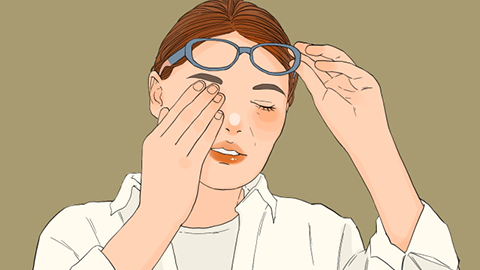
Full femtosecond surgery uses laser technology to precisely target the corneal stroma and can also remove the internal corneal lens via laser. This method can instantly improve symptoms of myopia and alter the cornea's refractive power to achieve therapeutic results. It causes minimal local trauma and allows for quicker recovery. Surgical treatment should be performed at a reputable tertiary hospital or large medical facility. After undergoing femtosecond surgery, patients should avoid opening their eyes for the first 24 hours and adjust their diet by consuming more foods rich in vitamin A.
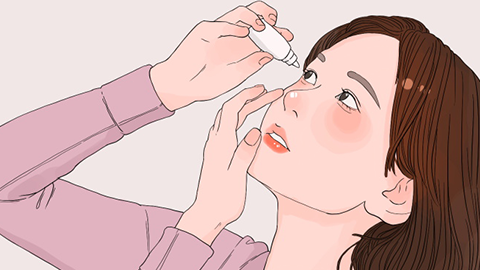
In daily life, it's also essential to develop good eye care habits and avoid frequent late-night熬夜 should be translated as "staying up late" -> staying up late. Corrected below:
In daily life, it's also essential to develop good eye care habits and avoid frequently staying up late. We hope this answer has been helpful to you. Wishing you good health and happiness.