Which is Better for Ophthalmic Surgery: Full-Femtosecond or Semi-Femtosecond?
Apr 20, 2022
Source: Cainiu Health

Dr. Li Fengyong
Introduction
Both SMILE (small incision lenticule extraction) and FS-LASIK (femtosecond LASIK) are excellent options for ophthalmic refractive surgery. The optimal procedure should be selected based on an individual’s specific ocular anatomy and condition. However, femtosecond laser technology is particularly well-suited for correcting a broad range of myopia. During surgery, FS-LASIK offers higher precision than SMILE and is generally less costly. In contrast, SMILE typically involves a smaller corneal incision.
As living standards continue to improve and electronic devices become increasingly widespread, an increasing number of individuals are developing eye disorders. When considering refractive surgery, which is better—SMILE (Small Incision Lenticule Extraction) or FS-LASIK (Femtosecond LASIK)?
SMILE vs. FS-LASIK: Which Is Better?
Both SMILE and FS-LASIK are highly effective refractive surgical options. The optimal choice depends on the individual’s specific ocular anatomy and visual needs. FS-LASIK is particularly suitable for correcting a broad range of myopia degrees. It offers higher precision than SMILE and is generally less costly. In contrast, SMILE involves a smaller corneal incision, better preservation of the corneal surface and its nerve supply, and typically enables faster visual recovery. Postoperatively, maintaining strict ocular hygiene is essential.
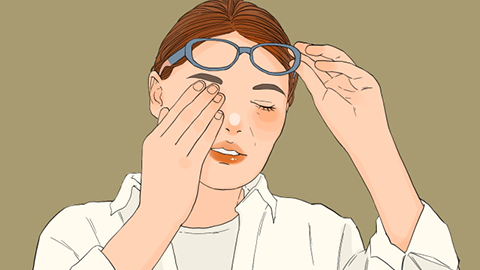
SMILE utilizes femtosecond laser technology to precisely create and extract a lenticule within the corneal stroma—without requiring a flap. This procedure can rapidly correct myopia and reshape the cornea’s refractive power to achieve the desired visual outcome. Due to its minimally invasive nature, SMILE results in relatively minor local tissue trauma and expedited recovery. Surgery should be performed at a reputable Grade-III hospital or a large, accredited aesthetic medical center. Following SMILE surgery, patients must avoid opening their eyes for the first 24 hours and should adjust their diet to include vitamin A–rich foods.
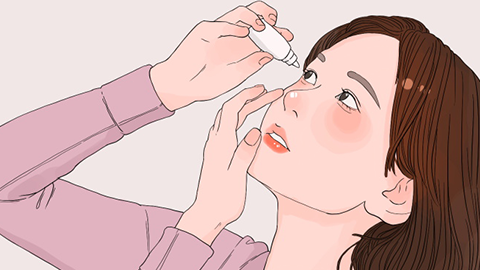
In daily life, it is crucial to cultivate healthy visual habits—such as avoiding prolonged screen time and frequent late-night activities—to protect your eyesight. We hope this information proves helpful.