


What should I do if a baby hiccups after drinking milk?
Sep 13, 2022
Source: Cainiu Health

Dr. Zhao Haiming
Introduction
After an infant hiccups following a feeding, parents should first soothe the baby to prevent crying triggered by the hiccup discomfort. Next, hold the baby upright and gently pat their back from top to bottom to help expel gas from the stomach. Hiccups occur when air enters the stomach, causing bloating and stimulating spasms of the diaphragm. This is generally a normal physiological phenomenon, although it can sometimes indicate underlying medical conditions.
In daily life, many mothers find that their babies experience hiccups after feeding. So, what should be done when a baby has hiccups after drinking milk?
What to do when a baby has hiccups after drinking milk
When a baby develops hiccups after feeding, parents should first calm the baby's emotions to prevent crying triggered by the discomfort of hiccups. Next, hold the baby upright and gently pat their back from top to bottom to help expel air that has entered the stomach, allowing the milk to settle fully in the stomach. Avoid moving the baby or engaging them in vigorous activity. Playing some soothing music, offering a small amount of warm water, and gently massaging the baby's stomach can also help relieve the hiccups and promote gastric motility.
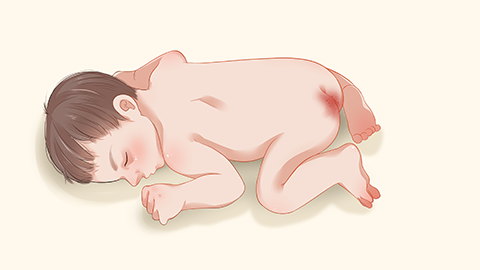
Hiccups occur when gas enters the stomach, causing it to become distended and stimulating spasms of the diaphragm. Hiccups, commonly known as "sighing breath" or singultus, are usually a normal physiological phenomenon, although they can sometimes indicate an underlying medical condition. Common causes of hiccups include psychological factors, or they may occur after surgery or anesthesia. Eating hard-to-digest foods—such as eating too much or too quickly—can also trigger hiccups. Certain central nervous system disorders, such as tumors, encephalitis, metabolic brain diseases, or alcohol poisoning, may lead to hiccups. Hiccups can also result from irritation along the reflex arc due to conditions like esophagitis, esophageal cancer, pneumonia, pericarditis, or myocardial infarction.
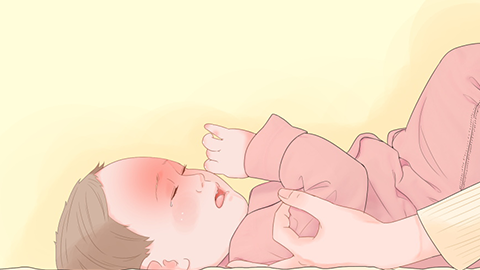
If a baby continues to hiccup incessantly after feeding, mothers should pay close attention, and seek medical treatment if symptoms become severe. If this article has been helpful to you, we wish you good health and a happy life!






