


What are the early symptoms of liver and gallbladder diseases?
Sep 13, 2022
Source: Cainiu Health

Dr. Jin Zhongkui
Introduction
Early symptoms of hepatobiliary diseases may include loss of appetite, fatigue, dry and bitter taste in the mouth, aversion to greasy food, upper abdominal discomfort, bloating, diarrhea, nausea, and vomiting—manifestations related to the digestive tract. When liver function is impaired, patients may experience pain in the liver area and fever. If bile duct obstruction is complicated by infection, symptoms such as chills, high fever, and jaundice may occur.
The liver and gallbladder are vital internal organs, and protecting them in daily life is essential. Once diseased, they can severely compromise overall health. So, what are the early symptoms of liver and gallbladder disorders?
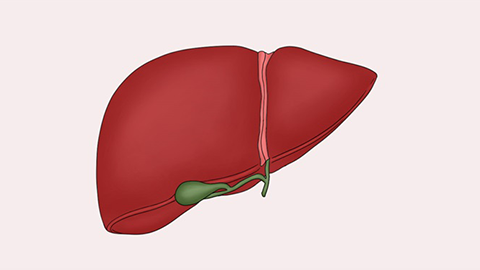
Early Symptoms of Liver and Gallbladder Disorders
Early symptoms may include loss of appetite, fatigue, dryness and bitterness in the mouth, aversion to greasy foods, upper abdominal discomfort, bloating, diarrhea, nausea, and vomiting—manifestations primarily involving the digestive tract. When liver function is impaired, patients may experience pain in the right upper quadrant (liver area) and fever. In cases of biliary obstruction complicated by infection, chills, high fever, and jaundice may occur. Upon waking and looking in the mirror, patients often notice dull, yellowish-tinged facial skin; yellowing of the skin and sclera (whites of the eyes); and dark yellow urine.
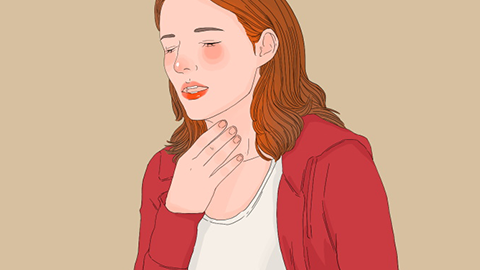
Liver and gallbladder disorders encompass a wide variety of conditions with diverse etiologies. Among the more common gallbladder diseases are gallstones and cholecystitis—often resulting from abnormal cholesterol metabolism leading to stone formation, which subsequently irritates the gallbladder wall and triggers inflammation. Gallbladder proliferative disorders, such as gallbladder polyps, arise from abnormal cellular proliferation and metabolic disturbances in the gallbladder wall, frequently exacerbated by chronic inflammation; notably, some polyps carry malignant potential and may progress to gallbladder cancer. Common infectious liver diseases include viral hepatitis (caused by various hepatitis viruses) and bacterial liver abscesses. Additionally, drug-induced liver injury, alcoholic liver disease, and extensive intrahepatic bile duct stones may all contribute to cirrhosis. The above outlines the early signs of liver and gallbladder disorders. We hope this information proves helpful. Wishing you optimal health and well-being!





