What does ptosis (drooping upper eyelid) look like?
Sep 13, 2022
Source: Cainiu Health

Dr. Li Qiang
Introduction
Ptosis of the upper eyelid may present unilaterally or bilaterally. When looking straight ahead with eyes naturally open, in young individuals the upper eyelid margin covers more than 3 mm of the superior cornea. In moderate ptosis, the eyelid covers half of the cornea; in severe cases, it covers more than half or even the entire cornea. Symptoms may include elevated eyebrow on the affected side compared to the normal side, increased forehead wrinkling due to frontalis muscle overactivity, and a tendency to tilt the head upward when viewing objects.
In daily life, we often hear the term "ptosis," which is a phrase used to describe one's appearance. But what exactly does ptosis look like?
What Does Ptosis Look Like?
Ptosis refers to the drooping of the upper eyelid and can affect one or both eyes. When looking straight ahead with eyes naturally open, in young individuals the upper eyelid margin normally covers less than 3 mm of the upper cornea. In moderate ptosis, the upper eyelid covers half of the cornea, while in severe cases it covers more than half—or even the entire cornea. Symptoms may include raising the eyebrows higher than normal, increased forehead wrinkles, and a tendency to tilt the head backward when looking at objects.
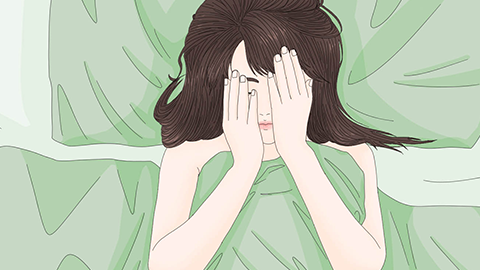
There are generally three causes of ptosis. The most common is congenital ptosis, resulting from underdevelopment of the levator palpebrae superioris muscle or damage to its controlling nerves. Acquired (postnatal) ptosis can result from trauma, myasthenia gravis, or other neurological conditions. If bilateral upper eyelid ptosis is accompanied by pupil dilation due to epilepsy, it may also be classified as ptosis.
1. Congenital ptosis: This type appears early, sometimes evident at birth as a delay in opening the eyes. Severe ptosis can significantly affect a child's vision and visual development, so surgical treatment should be performed as soon as possible.
2. Acquired ptosis: When caused by myasthenia gravis, treatment typically involves medications such as corticosteroids, muscle-strengthening agents, and nutritional supplements.
Everyone’s facial features are determined by genetics. Feeling overly self-conscious about one’s appearance is understandable, and choosing cosmetic procedures to enhance appearance and regain confidence is a personal decision. We hope this answer has been helpful to you. Wishing you good health and happiness!