


What are the early symptoms of vitiligo?
Sep 13, 2022
Source: Cainiu Health

Dr. Liu Wan
Introduction
In the early stage of vitiligo, the color of white patches and the surrounding skin is indistinct, appearing light white or brownish. The affected skin turns slightly red when exposed to sunlight and is extremely sensitive to light. As melanin is gradually lost, the patch color evolves into porcelain white, cloud white, or pure white. The initial lesions vary in size, with the surrounding pigmentation gradually deepening, occurring in varying numbers and affecting any part of the body.
Vitiligo is a common skin condition, and patients with this disease are frequently seen in daily life. What are the early symptoms of vitiligo?
What Are the Early Symptoms of Vitiligo?
In the early stages of vitiligo, the color of white patches and surrounding skin is indistinct, appearing light white or brownish. The affected skin may slightly redden when exposed to sunlight and is extremely sensitive to light. As melanin is gradually lost, the patch color evolves into porcelain white, cloud white, or pure white. The initial lesions vary in size, with their borders becoming progressively darker. The number of patches varies, and they can appear anywhere on the body, commonly affecting exposed areas such as the face, neck, and hands. In the early stage, the patches rarely turn completely white, although some patients may experience whitening of hair within the affected areas as the patches spread.
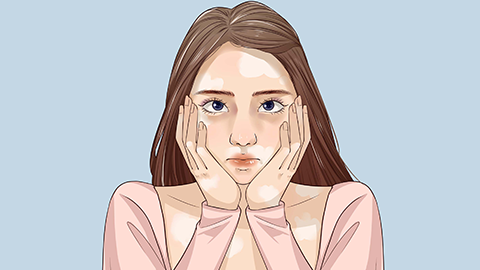
Early-stage vitiligo patches are typically about the size of a fingernail and slowly expand outward. They are usually few in number, and because the borders are often blurry, these patches can easily be overlooked or misdiagnosed. Foods that vitiligo patients should generally avoid include red dates, strawberries, tomatoes, tangerines, grapefruits, kiwis, apples, oranges, hawthorns, papayas, carrots, etc., as they might interfere with melanin production.

Avoid eating spinach, celery, cilantro, all types of alcohol, duck meat, seafood, and other shellfish. At the same time, it's best to avoid raw, cold, greasy, pickled, or barbecued foods. It is recommended that individuals seek medical attention promptly if experiencing any physical discomfort, identify the underlying cause, and receive appropriate treatment. We hope this information has been helpful to you. Wishing you good health and happiness!






