How to treat white hair
Nov 10, 2025
Source: Cainiu Health

Dr. Liu Wenmin
Introduction
White hair may result from aging, high levels of mental stress, nutritional deficiency disorders, albinism, vitiligo, and other conditions. It can be improved through lifestyle adjustments, nutritional supplementation, and medical treatments. If white hair suddenly appears in large amounts or is accompanied by skin abnormalities, prompt medical evaluation is necessary. With increasing age, the activity of melanocytes in hair follicles gradually decreases.
White hair may result from aging, high levels of mental stress, nutritional deficiency disorders, albinism, vitiligo, and other conditions. It can be improved through lifestyle adjustments, nutritional supplementation, and medical treatments. If white hair suddenly appears in large amounts or is accompanied by skin abnormalities, prompt medical attention is recommended.
1. Aging: As people age, melanocyte activity in hair follicles decreases, leading to reduced melanin production and gradual graying of hair, typically starting at the temples. It is recommended to maintain a regular sleep schedule and consume nutrient-rich foods such as black sesame seeds and walnuts to help delay the progression of graying.
2. High Mental Stress: Prolonged anxiety and tension can cause endocrine imbalances that impair melanocyte function, leading to premature graying, often accompanied by insomnia and low mood. Stress reduction through exercise and meditation, ensuring adequate sleep, and maintaining good psychological health are recommended.
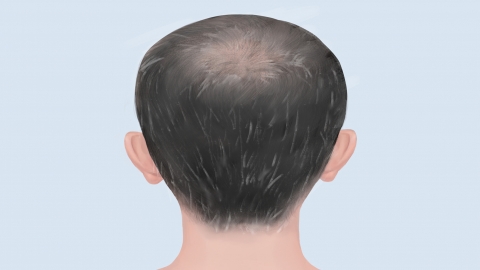
3. Nutritional Deficiency Disorders: Deficiencies in nutrients such as vitamin B12 and copper can impair melanin synthesis, resulting in white hair, along with symptoms like fatigue and pallor. Follow medical advice to use medications such as vitamin B12 tablets, copper sulfate oral solution, and multivitamin supplements to improve symptoms.
4. Albinism: This genetic condition results from a lack of key enzymes needed for melanin production, causing white skin, hair, and light sensitivity, along with poor vision. Under medical guidance, use photoprotective creams, vitamin E cream, and vitamin B complex tablets to manage symptoms.
5. Vitiligo: Autoimmune dysfunction destroys melanocytes, leading to white patches on the scalp and corresponding areas of white hair, which may gradually expand. Under medical supervision, treatments such as tacrolimus ointment, halometasone cream, and Qu Bai Ba Bu Qi tablets may be used to improve symptoms.
Daily care should include a balanced diet rich in essential nutrients, stress reduction for emotional well-being, avoiding frequent hair perming or dyeing, and maintaining healthy sleep habits to support overall hair health.