


How to prevent scrotal eczema
Sep 13, 2022
Source: Cainiu Health

Dr. Liu Wan
Introduction
Scrotal eczema can be prevented by maintaining good local hygiene, wearing loose-fitting, breathable cotton underwear, and avoiding contact with allergens, including both inhaled and ingested allergens. Common allergens in daily life include house dust mites, animal dander, pollen, milk, and peanuts. It is also recommended to wear loose cotton underwear, change underwear frequently, and keep the scrotal skin clean.
With improving living standards, many men are paying more attention to maintaining their reproductive health. How can scrotal eczema be prevented?
How to Prevent Scrotal Eczema
Prevention of scrotal eczema includes maintaining local hygiene and wearing loose-fitting, breathable cotton underwear. Avoid contact with allergens, including inhaled and ingested allergens. Common ones include dust mites, animal dander, pollen, milk, peanuts, etc. Wear loose cotton underwear, change underwear frequently, and keep the skin of the scrotal area clean.

In daily life, bedding and clothing should also be regularly sunned. Maintain a clean and hygienic living environment, ventilate rooms regularly, maintain a positive and optimistic mood, learn to relieve stress, avoid long-term anxiety, tension, and depression, and ensure adequate sleep to enhance the body's resistance and reduce episodes of scrotal eczema.
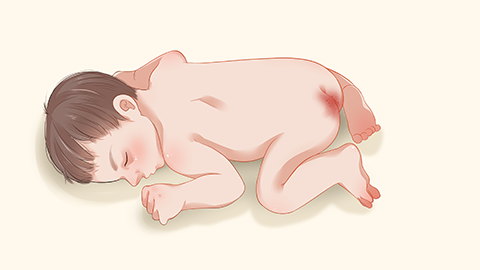
Scrotal eczema is divided into wet and dry types. The main clinical symptoms of wet-type scrotal eczema include scrotal swelling, erosion, exudation, and thickening, while dry-type eczema mainly presents as thickened scrotal skin, deep wrinkles, scaling, and lichenification. Scrotal eczema has a long course and tends to recur; itching is its most typical feature. When exudation and erosion are evident, the affected area is usually first cleaned and moistened with saline or boric acid solution, followed by topical application of ointments such as non-steroidal anti-inflammatory creams (e.g., hydrocortisone butyrate cream), or antibiotics like tacrolimus ointment and pimecrolimus cream. We hope this answer helps you. Wishing you good health and happiness!



