


What medication works best for cracked hands in winter?
Sep 13, 2022
Source: Cainiu Health

Dr. Liu Wan
Introduction
In winter, cracked hands can generally be treated with snake fat ointment; for certain areas, vitamin E ointment or glycerin may also be applied, as well as tretinoin ointment or salicylic acid preparations. If the cracking is caused by a fungal infection, topical antifungal medications can be used. Skin fissures on the hands and feet during winter represent a clinical condition known as hand and foot fissure disease. Clinically, dry and easily cracked skin on the hands and feet often causes patients to experience pain or even bleeding at the affected sites.
Some patients dislike winter because their hands and face are prone to frostbite during this season, which can severely affect normal daily life and work. They often choose medication for treatment. What is the most effective medicine for cracked hands in winter?
What Is the Most Effective Medicine for Cracked Hands in Winter?
Cracked hands in winter can generally be treated with snake fat ointment or urea cream. For certain areas, vitamin E ointment or glycerin may also be applied, as well as tretinoin ointment or salicylic acid preparations. If the condition is caused by a fungal infection, topical antifungal medications can be used.
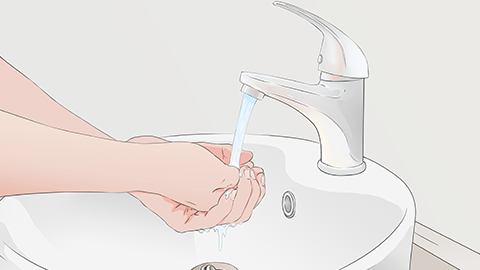
In winter, the skin on hands and feet tends to crack—this condition is known as hand and foot fissures. It commonly occurs during the colder months. Clinically, patients experience dry, cracked skin on hands and feet, often accompanied by pain and even bleeding at the affected sites. The cause lies in the cold, dry winter climate, which reduces sebaceous and sweat gland secretion in the extremities. As a result, the skin fails to retain sufficient moisture, leading to peeling and dryness, which can also affect one's overall appearance.
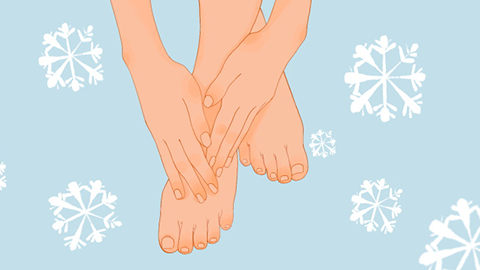
Patients experiencing cracked hands in winter should take proper warming measures, avoid contact with irritating substances, and wear gloves when going outdoors to reduce external irritation. Attention should also be paid to diet—opting for light meals and avoiding spicy or irritating foods. Engaging in moderate outdoor exercise can help boost immunity and resistance, reducing the likelihood of illness. We hope this answer has been helpful to you. Wishing you good health and happiness!



