


How to treat pain and stiffness in the middle finger joint
Sep 13, 2022
Source: Cainiu Health

Dr. Lin Yunfei
Introduction
Topical application of medicated plasters can also be effective. Alternatively, oral non-steroidal anti-inflammatory drugs (NSAIDs), such as ibuprofen, sodium diclofenac, loxoprofen sodium, celecoxib, or etoricoxib, may be used. Based on gastrointestinal function and history of allergies, these medications should be taken orally after meals, which provides effective anti-inflammatory and analgesic effects and helps relieve joint pain.
In real life, some patients experience stiffness along with joint pain that can interfere with daily activities. In severe cases, even simple actions such as grasping objects may become limited. How is pain and stiffness in the middle finger joint treated?
How to treat pain and stiffness in the middle finger joint
Local application of medicated plasters can be effective to some extent. Alternatively, oral non-steroidal anti-inflammatory drugs (NSAIDs), such as ibuprofen, diclofenac sodium, loxoprofen sodium, celecoxib, or etoricoxib, may be used. Depending on gastrointestinal function and history of allergies, these medications should be taken after meals to minimize side effects. They provide effective anti-inflammatory and analgesic effects, helping to relieve joint pain. Appropriate joint protection and functional exercises are also important. Through rehabilitation training, finger joints can maintain their range of motion while preventing muscle atrophy and tendon adhesions. With comprehensive treatment, swelling in the finger joints can generally be alleviated.
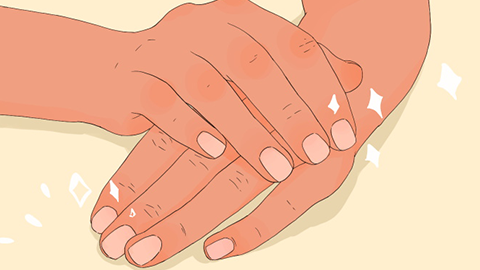
Stiffness and pain in the middle finger joint may result from trauma, causing soft tissue swelling around the joint, leading to discomfort. It could also be due to exposure to cold, which affects blood circulation and results in joint stiffness and pain. Additionally, conditions such as gout cannot be ruled out.
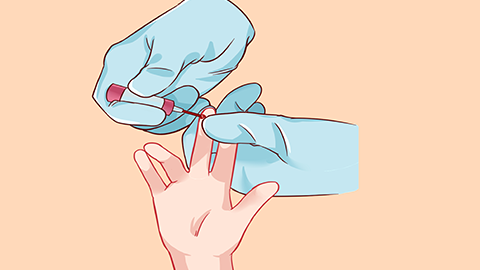
Patients should avoid exposure to cold in daily life and keep the hands warm. Contact with irritating substances should be avoided, as this may worsen pain. Dietary habits also require attention—meals should be mild and清淡, avoiding spicy or irritating foods. We hope this information helps you. Wishing you good health and a happy life!


