


Can geranium be used in winter?
Mar 25, 2025
Source: Cainiu Health

Dr. Zhang Xiuhong
Introduction
Geranium has the effects of eliminating wind-dampness, promoting blood circulation, clearing heat toxins, and stopping diarrhea and dysentery. It may help alleviate symptoms such as joint pain and stiffness caused by wind-cold-damp pathogens, particularly when used during winter. Additionally, geranium possesses certain antibacterial and anti-inflammatory properties, potentially offering auxiliary therapeutic benefits for skin inflammations or minor infections commonly occurring in winter.
Generally speaking, geranium can be used in winter under the guidance of a physician. However, it is not recommended for individuals with cold body constitution or allergies. If any abnormalities occur, prompt medical attention is advised. Detailed explanations are as follows:
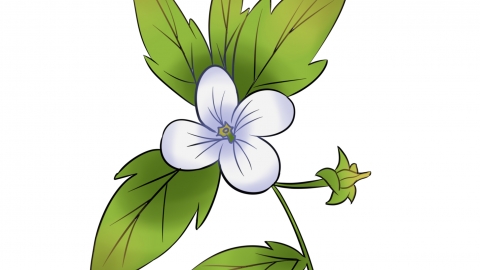
Geranium has functions of removing wind-dampness, promoting meridian circulation, clearing heat toxins, and stopping diarrhea and dysentery. For symptoms such as joint pain and muscle discomfort caused by wind-cold-damp pathogens, using geranium in winter may help alleviate these symptoms. Additionally, geranium has certain antibacterial and anti-inflammatory properties and may provide some auxiliary therapeutic effects for skin inflammations or mild infections commonly occurring in winter. However, it should be used appropriately and in moderation.
Geranium is relatively cooling in nature; therefore, its use in winter may exacerbate internal coldness and lead to further discomfort in individuals with a cold body constitution. Those allergic to geranium should avoid its use at all times to prevent allergic reactions.
When using geranium in winter, ensure that it is appropriate for the condition and suitable for the individual's constitution. Monitor bodily reactions during use, and discontinue immediately and seek medical advice if any adverse symptoms occur.


