


What are the drugs for treating liver cancer?
Sep 13, 2022
Source: Cainiu Health

Dr. Jin Zhongkui
Introduction
Drugs for treating liver cancer, namely targeted therapies, are treatment approaches developed in recent years. These include sorafenib, lenvatinib, and regorafenib. Sorafenib is used to treat hepatocellular carcinoma that is unresectable or has distant metastases. The most common adverse reactions during treatment include diarrhea, fatigue, hair loss, infection, hand-foot skin reactions, and rash.
Traditional Chinese herbal formulas for fighting liver cancer have a long history of use. Their ingredient combinations are scientifically sound and well-validated, making them a valuable resource for the development of modern new medicines. So, what are the drugs used against liver cancer?
What Are the Drugs Used Against Liver Cancer?
Medications for treating liver cancer—also known as targeted therapies—are treatment options that have emerged in recent years. These include sorafenib, regorafenib, and lenvatinib. Sorafenib is used to treat hepatocellular carcinoma (HCC) that cannot be surgically removed or has metastasized. The most common adverse reactions during treatment include diarrhea, fatigue, hair loss, infection, hand-foot skin reactions, and rash. Regorafenib is indicated for patients with hepatocellular carcinoma who have previously received sorafenib treatment, and no genetic testing is required before administration. Lenvatinib is used for patients with unresectable hepatocellular carcinoma who have not received prior systemic therapy.
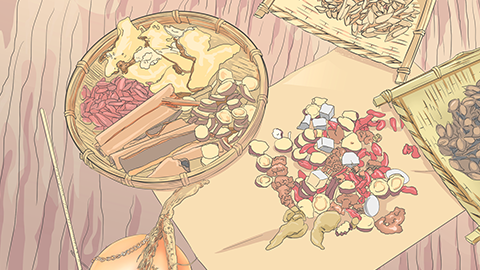
Early symptoms and warning signs of liver cancer are generally not obvious and may manifest as dull or distending pain in the upper abdomen, especially the right upper quadrant. Some gastrointestinal symptoms such as acid reflux, belching, nausea, and diarrhea may also accompany. As the tumor grows larger, it may sometimes cause compression-related symptoms. For example, compression of the stomach can lead to gastric outlet obstruction or gastric retention, resulting in nausea and vomiting; compression of the common bile duct may cause biliary obstruction, leading to jaundice and impaired liver function; and compression of the portal vein can result in portal hypertension, which may trigger hypersplenism, esophageal or gastric varices causing hematemesis (vomiting blood), or ascites.
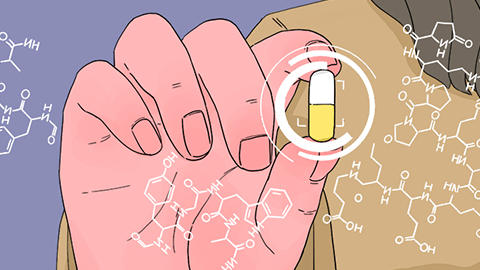
The traditional first-line drug for liver cancer treatment is sorafenib-based targeted therapy. Currently, in the latest advances in liver cancer treatment, combination therapy using bevacizumab and PD-1 antibody immunotherapy has shown improved efficacy in treating liver cancer. We hope this answer has been helpful to you. Wishing you good health and happiness!



