


What Are the Drugs Used to Treat Liver Cancer?
May 26, 2022
Source: Cainiu Health

Dr. Zhao Haiming
Introduction
The primary targeted drug for treating hepatocellular carcinoma (HCC) is sorafenib, which is currently the first-line treatment for primary liver cancer. Other targeted drugs used in HCC treatment include regorafenib and lenvatinib. When sorafenib proves ineffective or disease progression occurs, regorafenib or lenvatinib may be substituted. In addition to targeted therapy, chemotherapy is also employed in the management of HCC.
Hepatocellular carcinoma (HCC) is a malignant tumor of the liver, broadly classified into primary and secondary (metastatic) types. It poses serious threats to human health and significantly impacts patients’ daily life and work. Prompt treatment is therefore essential. So, what medications are available for treating hepatocellular carcinoma?
What Medications Are Used Against Hepatocellular Carcinoma?
The main pharmacological treatments for HCC include targeted therapies, among which sorafenib is the most widely used. Currently, sorafenib is considered the first-line systemic therapy for primary HCC. Other targeted agents approved for HCC treatment include regorafenib and lenvatinib. When sorafenib proves ineffective or disease progression occurs, regorafenib or lenvatinib may be substituted as second-line options. In addition to targeted therapy, chemotherapy remains an option for HCC management. Commonly used chemotherapeutic agents include oxaliplatin, fluorouracil (5-FU), gemcitabine, and tegafur–gimeracil–oteracil (S-1). However, conventional systemic chemotherapy demonstrates limited efficacy and poor sensitivity in HCC treatment. For advanced-stage HCC, traditional Chinese medicine (TCM) may serve as an adjunctive therapeutic approach; certain TCM formulations exhibit inhibitory effects against HCC. Oral administration of compound zebrafish capsule or Kanglaite capsule, for instance, has demonstrated favorable antitumor activity.
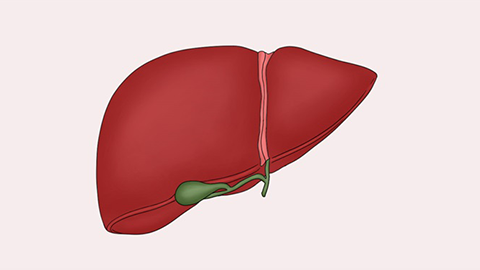
Hepatocellular carcinoma is a malignant neoplasm, primarily categorized as either primary or secondary (metastatic). Clinical manifestations commonly include jaundice, fatigue, weight loss, and fever. HCC may also lead to severe complications such as hepatic and renal failure. Upon diagnosis, patients must seek evaluation and management at specialized medical centers. Surgical resection remains the cornerstone of curative-intent treatment, often combined with adjuvant chemotherapy to eradicate residual or metastatic cancer cells.
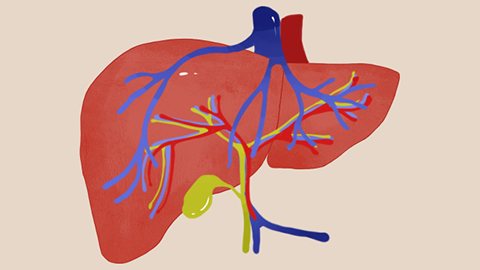
Once diagnosed with HCC, patients should adopt appropriate dietary modifications. A light, nutrient-rich, and easily digestible diet is recommended. Preference should be given to liquid or semi-liquid foods, consumed in small, frequent portions—this approach supports nutritional status and overall well-being. We hope this information proves helpful. Wishing you good health and a joyful life!





