


What are the treatment methods for pelvic inflammatory disease?
Sep 13, 2022
Source: Cainiu Health

Dr. Lv Aiming
Introduction
The treatment methods for pelvic inflammatory disease are as follows:
1. Antibiotics are the main treatment for acute pelvic inflammatory disease. Broad-spectrum antibiotics are generally combined with anti-anaerobic agents. The primary routes of administration include intravenous infusion, intramuscular injection, or oral intake. It is recommended to follow medical instructions and complete the full course of treatment.
2. Surgical treatment is primarily indicated for patients with pelvic inflammatory disease complicated by masses, such as hydrosalpinx, tubo-ovarian abscess, or recurrent inflammation.
Pelvic inflammatory disease (PID) is a common gynecological condition that affects many women. What are the treatment methods for pelvic inflammatory disease?
What Are the Treatment Methods for Pelvic Inflammatory Disease
The treatment methods for pelvic inflammatory disease are as follows:
1. Antibiotics are the primary treatment for acute pelvic inflammatory disease. Broad-spectrum antibiotics are generally used in combination with anti-anaerobic agents. Main routes of administration include intravenous infusion, intramuscular injection, or oral intake. It is recommended to follow medical instructions and complete the full course of treatment.
2. Surgical treatment is mainly indicated for patients with PID complicated by pelvic masses, such as hydrosalpinx, tubo-ovarian abscess, or those experiencing recurrent inflammation, for whom surgery is advisable.
3. Physical therapy can enhance the effectiveness of drug treatment. Common modalities include shortwave, ultrashort wave, and iontophoresis.
4. Traditional Chinese medicine (TCM) treatments for pelvic inflammatory disease mainly include warm external application with herbal packs, herbal fumigation, and herbal enema.

Pelvic inflammatory disease is divided into acute and chronic forms, which differ in severity and clinical presentation. Typical symptoms of acute PID include fever, increased heart rate, lower abdominal muscle tension, tenderness, and rebound tenderness. The vagina may produce large amounts of purulent discharge. The vaginal fornices are markedly tender on palpation, and the uterus and bilateral adnexa show tenderness and rebound tenderness. There may be unilateral or bilateral adnexal thickening.
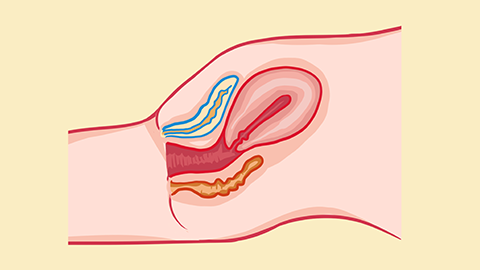
When acute pelvic inflammatory disease becomes chronically persistent, it progresses to chronic PID, which is primarily characterized by a sensation of heaviness and pain in the lower abdomen, along with low back and sacral pain. Sometimes there is discomfort with a feeling of downward pressure in the anal region due to pelvic congestion. Systemic symptoms in chronic PID are usually mild but may include low-grade fever, easy fatigability, and long-standing illness may lead to symptoms of neurasthenia. We hope this information is helpful to you. Wishing you good health and happiness!



