


How is endometritis caused?
Aug 20, 2025
Source: Cainiu Health

Dr. Zhang Lu
Introduction
Under normal circumstances, endometritis may be caused by poor hygiene during menstruation, improper protection during sexual intercourse, spread of vaginitis, ascending infection from cervicitis, or secondary infection of endometrial polyps. It is recommended to seek timely medical attention, identify the underlying cause, and then improve the condition through general treatment, medication, surgery, or other approaches under the guidance of a physician.
Generally, endometritis may be caused by poor menstrual hygiene, improper protection during sexual activity, spread of vaginitis, ascending infection from cervicitis, or secondary infection of endometrial polyps. It is recommended to seek timely medical consultation, identify the cause, and improve the condition through general treatment, medication, or surgical treatment under a physician's guidance. A detailed analysis is as follows:
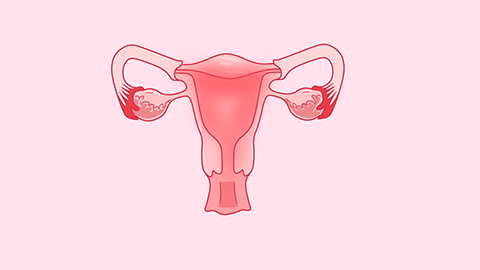
1. Poor menstrual hygiene: Using unclean sanitary napkins or not changing sanitary products frequently during menstruation can lead to bacterial growth and invasion of the uterus, causing inflammation. It is recommended to change sanitary napkins every 2–3 hours during menstruation and to choose reputable brands of sanitary products. Wash the external genitalia daily with warm water, avoid tub bathing, and reduce the chance of bacterial invasion.
2. Improper protection during sexual activity: Failure to maintain cleanliness during sexual intercourse, frequently changing sexual partners, or not using condoms can easily introduce external bacteria into the vagina, leading to uterine infection. Both partners should wash the external genitalia before and after sexual activity, maintain a fixed sexual partner, and use condoms correctly.
3. Spread of vaginitis: Inflammation caused by bacterial or fungal infections in the vagina that are not treated promptly can spread to the uterus, inducing endometritis, accompanied by abnormal vaginal discharge and vaginal itching. Patients should follow medical advice to use medications such as metronidazole suppositories, clotrimazole vaginal tablets, or Baofukang suppositories for the treatment of vaginitis.
4. Ascending infection from cervicitis: Inflammation of the cervix caused by chlamydia, mycoplasma, or other infections can ascend into the uterine cavity, causing endometritis, accompanied by pain in the lower back and increased secretions. Patients should follow medical advice to use anti-infective medications such as azithromycin capsules, doxycycline hydrochloride tablets, or cefixime dispersible tablets.
5. Secondary infection of endometrial polyps: Localized endometrial hyperplasia forms polyps, whose fragile mucosal surfaces are susceptible to bacterial invasion, leading to secondary infection and endometritis, accompanied by prolonged menstrual bleeding. Patients should follow medical advice to use medications such as levofloxacin tablets, metronidazole tablets, or cefuroxime axetil tablets to control the infection. After the inflammation subsides, hysteroscopic endometrial polypectomy can be performed to remove the polyps and prevent recurrent infections.
In daily life, it is important to wear loose, breathable cotton underwear, change underwear frequently, and wash and air-dry them separately. Diet-wise, reduce the intake of spicy and irritating foods, consume more fresh vegetables and fruits, enhance physical immunity, and aid in the recovery from inflammation.



