Does a child with bronchopneumonia necessarily need hospitalization?
Sep 13, 2022
Source: Cainiu Health

Dr. Xie Zixing
Introduction
Pediatric bronchopneumonia does not necessarily require hospitalization, and treatment depends on the individual case. If a child with bronchopneumonia has mild symptoms, is in good general condition, and chest imaging shows a non-severe infection, oral antibiotics or urgent intravenous anti-infective therapy may be administered. Additionally, antitussive, expectorant medications, or nebulized inhalation therapy can be used to help improve and cure the condition.
Pneumonia in children is a highly prevalent disease. Once it occurs, it requires a long treatment period and can seriously affect a child's health and daily life. If hospitalization is needed, the impact will be even greater. So, does a child with bronchopneumonia necessarily need to be hospitalized?
Does a Child with Bronchopneumonia Necessarily Need Hospitalization?
Children with bronchopneumonia do not always require hospitalization—it depends on the individual case. If a child's symptoms are mild, their mental state is good, and chest imaging shows a non-severe case of bronchopneumonia, treatment may include oral antibiotics or urgent intravenous anti-infective medications, along with cough suppressants, expectorants, or nebulized inhalation therapy. These approaches can effectively improve and cure the condition. However, if the infection is clearly severe and there is no improvement after oral antibiotics or outpatient emergency treatment, immediate hospitalization is necessary to avoid delaying treatment and worsening the child's condition, which could be very dangerous.
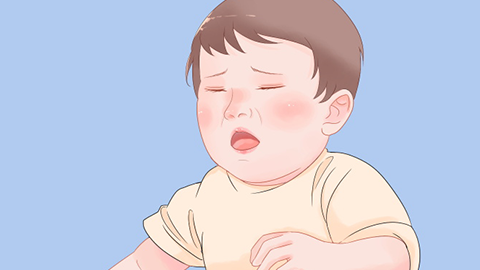
In general, when a child has bronchopneumonia caused by bacterial or viral infection, they should go to the hospital for blood tests and C-reactive protein testing. If inflammatory markers are significantly elevated, hospitalization is required. The treatment course for pneumonia is usually long, lasting at least 7–10 days. It’s important to keep the child warm, and anti-inflammatory medications may be taken under a doctor’s guidance.

It is recommended to pay attention to the child’s daily dietary care. Avoid giving children spicy, greasy, sweet, chilled, cold, thick, or hard-to-digest foods. During treatment, the child’s diet should be light to prevent aggravating the illness. We hope this answer is helpful to you. Wishing you good health and happiness.