What medication should be taken for bronchopneumonia in children?
Sep 13, 2022
Source: Cainiu Health

Dr. Guo Xiheng
Introduction
Since the symptoms vary depending on the cause of infection in pediatric patients, medications should be determined according to specific conditions. If bronchopneumonia is caused by a viral infection, antiviral drugs such as ribavirin can be administered. Cases caused by bacterial infections can be treated with antibiotics such as amoxicillin and cephalosporins. Infections caused by mycoplasma or chlamydia can be treated with erythromycin.
Bronchopneumonia is a very common disease in children, especially prone to occur during cold weather. Bronchopneumonia may cause discomfort symptoms such as cough and fever, and its causes are associated with bacterial and mycoplasma infections. So, what medications should be used for pediatric bronchopneumonia?
What Medications for Pediatric Bronchopneumonia?
Because the cause of infection varies among patients, symptoms also differ; therefore, medication should be determined according to specific conditions. If bronchopneumonia is caused by a viral infection, antiviral drugs such as ribavirin can be administered. Cases caused by bacterial infections can be treated with antibiotics such as amoxicillin and cephalosporins. Infections due to mycoplasma or chlamydia can be treated with erythromycin or azithromycin. If coughing, sputum production, and wheezing are severe, cough suppressants, expectorants, and anti-asthma medications may also be used. Normally, it's important to promptly clear nasal and throat secretions in affected children to avoid obstructing smooth breathing. If the child has a high fever, oral ibuprofen should also be given.

During illness, children should eat low-fat, low-salt, light meals. Especially during the acute phase, adequate fluid intake is necessary. Insufficient hydration can lead to thick, sticky phlegm, which affects sputum expulsion. The living environment should also emphasize ventilation—keep air circulating by frequently opening windows. Indoor furniture should be kept as simple as possible to avoid accumulation of dust and dust mites, which could worsen respiratory symptoms.
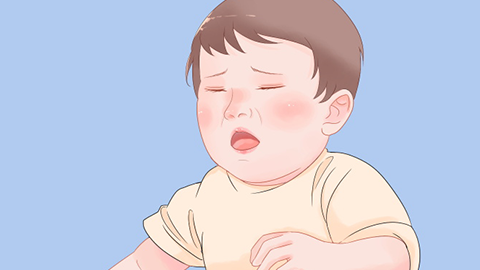
It is recommended that children maintain emotional stability, avoiding excitement or depression. Negative emotions can easily trigger or exacerbate the illness and should be taken seriously. We hope this information is helpful. Wishing you good health and happiness.