


What are the symptoms of thyroid nodules?
Sep 13, 2022
Source: Cainiu Health

Dr. Pan Yongyuan
Introduction
Thyroid nodules may present in some patients with symptoms such as neck swelling, pain around the nodule, shortness of breath, dyspnea, foreign body sensation in the throat, and hoarseness. Patients with hyperthyroidism may exhibit tremors, weight loss, and excessive sweating. However, it is important to note that most patients have no obvious clinical symptoms. The incidence is higher in women than in men, the disease course is long, and cardiac lesions are frequently concomitant.
Some patients with thyroid nodules may not experience any noticeable symptoms and might not even be aware of the condition if they don't undergo medical examinations. So, what are the symptoms and manifestations of thyroid nodules?
What Are the Symptoms and Manifestations of Thyroid Nodules?
In some patients, thyroid nodules may present as neck swelling, pain around the nodule, shortness of breath, difficulty breathing, a sensation of a foreign body in the throat, or hoarseness. Patients with hyperthyroidism may exhibit symptoms such as tremors, weight loss, and excessive sweating. However, it should be noted that most patients do not have obvious clinical symptoms. Some individuals may develop compressive symptoms—when the nodule presses on the trachea, patients may experience breath-holding; when it compresses the esophagus, they may cough while eating.
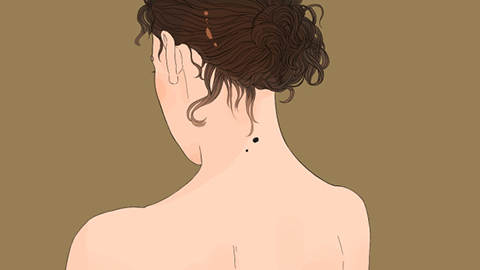
As the gland enlarges, nodules may also appear. Severe swelling can lead to compressive symptoms and may even cause hypothyroidism. The disease typically occurs in individuals aged 40 to 50 years, with a higher incidence in women than men. It often has a long course and is frequently associated with heart conditions. The onset is usually slow, primarily seen in middle-aged women. In some cases, there is thyroid enlargement without nodules, or asymmetric thyroid enlargement, suggesting a lobulated appearance, firm texture, and absence of tenderness. Asymmetric thyroid enlargement is generally characterized by hard nodules, diffusion of periglandular tissues, and dull or tender pain upon palpation.
It is worth noting that the development of this condition is often related to patients' dietary habits. Maintaining attention to dietary health is important, as good eating habits can significantly reduce the risk of many diseases. We hope this response has been helpful to you. Wishing you good health and happiness!





