


What should a woman do if her feet are cold?
Dec 12, 2025
Source: Cainiu Health

Dr. Li Feng
Introduction
Cold feet in women may be caused by constitutional deficiency and coldness, insufficient warmth, hypothyroidism, lower extremity arterial sclerosis, or Raynaud's syndrome. This condition can be improved through regulating body constitution, enhancing保暖 (warmth), and medication. If cold feet persist or are accompanied by numbness or pain, prompt medical attention is necessary. Insufficient yang energy in the body leads to relatively slow blood circulation.
Cold feet in women may be caused by constitutional yang deficiency, inadequate warmth, hypothyroidism, lower extremity atherosclerosis, or Raynaud's syndrome. This condition can be improved through body constitution regulation, enhanced保暖 (warmth preservation), and medical treatment. If cold feet persist or are accompanied by numbness or pain, prompt medical attention is necessary.
1. Constitutional Yang Deficiency: Insufficient yang energy in the body leads to slower blood circulation and reduced blood supply to the feet, causing cold feet that worsen in cold environments. It is recommended to consume more warming foods such as lamb and longan, and engage in moderate exercises like brisk walking or jogging to promote blood and qi circulation.
2. Inadequate Warmth: Wearing thin clothing or prolonged exposure to cold environments causes rapid heat loss from the feet, resulting in cold feet. It is advised to wear additional socks and shoes, choose warm cotton shoes and thick socks, and avoid staying in low-temperature environments for extended periods.
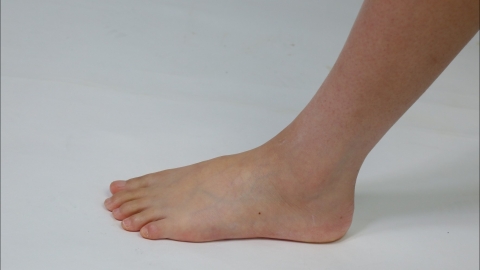
3. Hypothyroidism: Insufficient secretion of thyroid hormones slows metabolism and reduces heat production, leading to cold feet, often accompanied by fatigue, sensitivity to cold, and weight gain. Under medical guidance, patients may take medications such as levothyroxine sodium tablets, thyroid tablets, or liothyronine sodium tablets to alleviate symptoms.
4. Lower Extremity Atherosclerosis: Narrowing or blockage of blood vessels reduces blood flow to the feet, causing cold feet along with numbness and pain during walking. Patients may, under medical supervision, use medications such as enteric-coated aspirin tablets, simvastatin tablets, or cilostazol tablets to relieve discomfort.
5. Raynaud's Syndrome: Cold temperatures or emotional stress trigger spasms in small blood vessels of the limbs, reducing blood supply to the feet and causing coldness, often accompanied by skin pallor or cyanosis. Patients should follow medical advice to use medications such as nifedipine sustained-release tablets, reserpine tablets, or nicotinic acid tablets to improve symptoms.
In daily life, it is important to choose breathable and warm footwear and socks, soak feet in warm water every night to promote circulation, maintain a diet that combines warming and nutritious foods, perform moderate lower limb exercises, and avoid prolonged sitting or standing to enhance blood supply to the feet and reduce the sensation of coldness.






