


What are the symptoms of early-stage gastric bleeding?
Sep 13, 2022
Source: Cainiu Health

Dr. Zhao Haiming
Introduction
Early symptoms of gastrointestinal bleeding include upper abdominal fullness, nausea, vomiting blood, black tarry stools, and pus in the stool. Since patients with gastric bleeding often have gastric tissue ulcers or erosion, the nerve fibers distributed in the injured areas may cause persistent pain and burning sensations. After stimulation by gastric acid or external substances, symptoms such as acid reflux may occur in the stomach during the process of smooth muscle contraction and spasm.
Gastrointestinal bleeding is a very serious condition. It may cause severe discomfort to patients during the bleeding process. It can also lead to vomiting blood or bloody stools, resulting in rapid loss of blood from the body and potentially causing serious consequences. So, what are the symptoms of early-stage gastric bleeding?
What Are the Symptoms of Early-Stage Gastric Bleeding?
Early symptoms of gastric bleeding include upper abdominal fullness, nausea, vomiting blood, black stools (melena), and pus-like feces. Since patients with gastric bleeding often have gastric tissue ulcers or erosion, nerve fiber tissues distributed at injured sites may trigger persistent pain and burning sensations. After stimulation by gastric acid or external substances, symptoms such as acid reflux may occur. During the process of smooth muscle contraction and spasms, stomach contents and exuded blood may flow back into areas like the esophagus and chest cavity. When local mucosal tissues are affected by the high permeability of acidic solutions, symptoms such as nausea, hematemesis (vomiting blood), acid reflux, and chest tightness may develop. Some blood and necrotic tissue move through the digestive tract via gastrointestinal peristalsis, mix with feces, undergo oxidation, and are then expelled from the body.
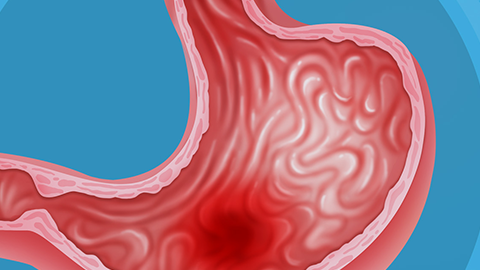
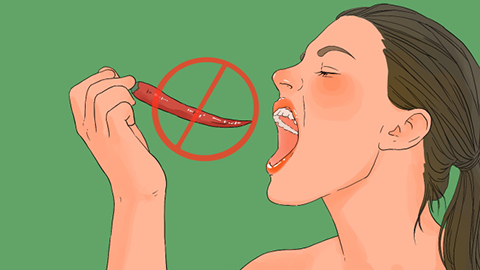
In daily life, it's important to maintain a light and easily digestible diet, avoiding raw, cold, hard, spicy, and irritating foods. Smoking and alcohol consumption should also be avoided. Additionally, one should cultivate regular lifestyle habits and healthy eating patterns, avoid emotional stress and anxiety, and maintain emotional stability. It’s essential to avoid various stress-related factors that could cause gastric mucosal damage and subsequent bleeding. Excessive alcohol consumption should be avoided to prevent stress-induced and erosive gastric bleeding.
Gastric bleeding can severely harm the human body; therefore, timely treatment is crucial once symptoms appear. After recovery, extra attention should be paid to stomach care to prevent recurrence. We hope this information helps you. Wishing you good health and a happy life.


